
Coming soon
The Hart River
Packraft deep into the wilderness on one of Yukon’s most remote rivers.
August 15 - 23 | 6 Spots Max | 9 days
Trip applications open January 30 at 4:00pm PST
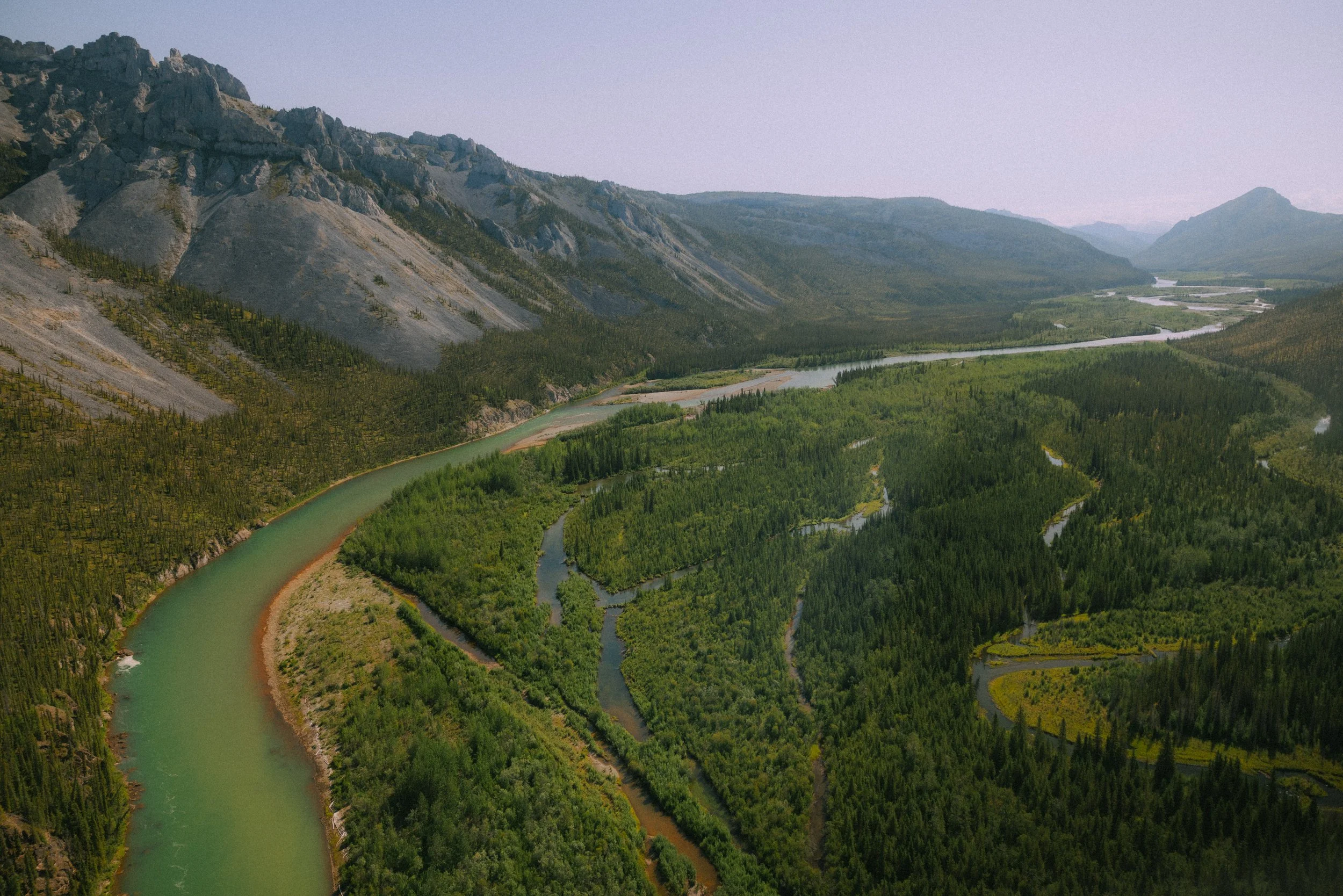
One of the last intact mountain boreal ecosystems in the world.
The Hart River forms part of the Peel Watershed, which spans approximately 67,000 km² in Yukon — roughly the size of Belgium.
About the adventure.
A truly wild experience for those who want to explore off the beaten path.
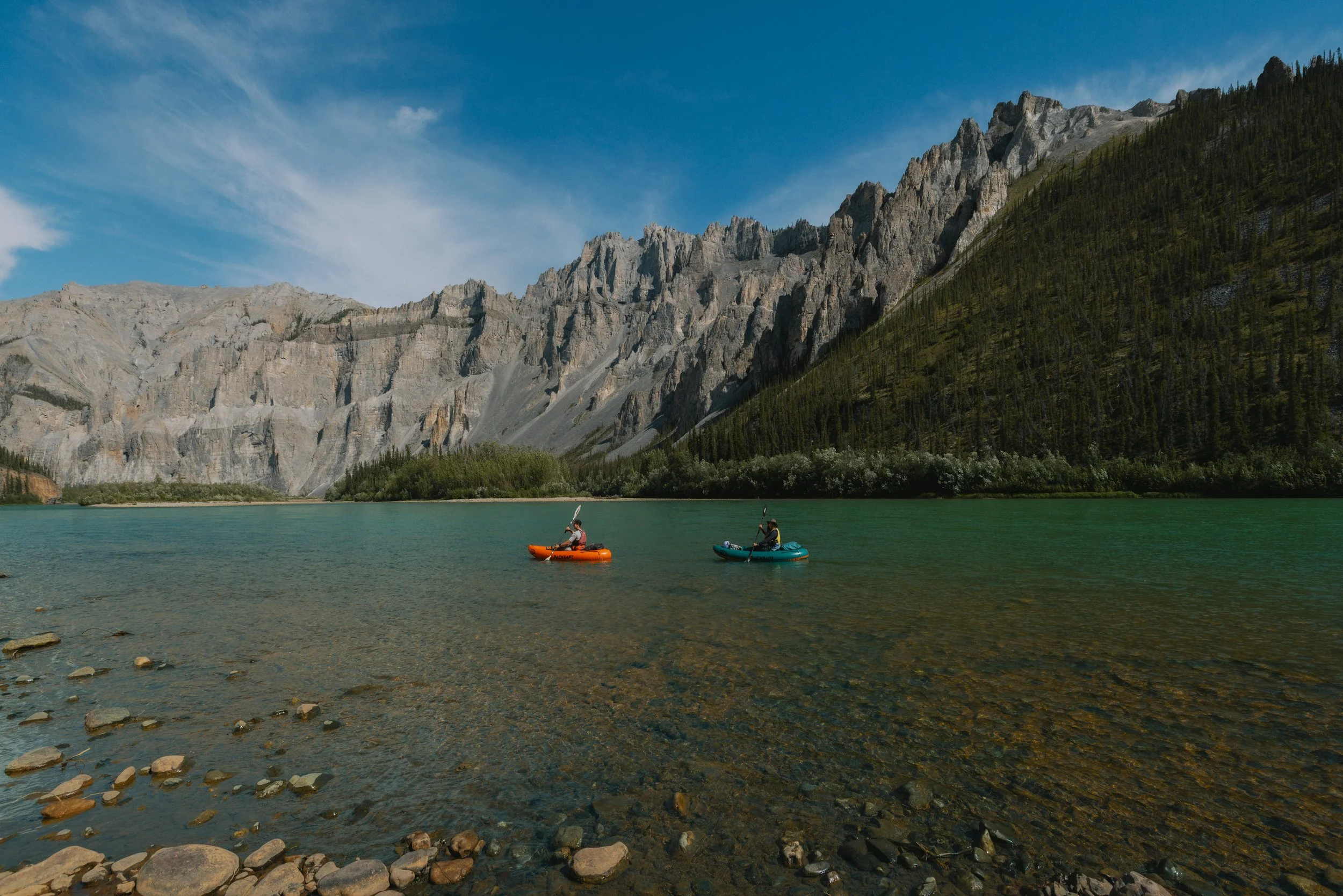
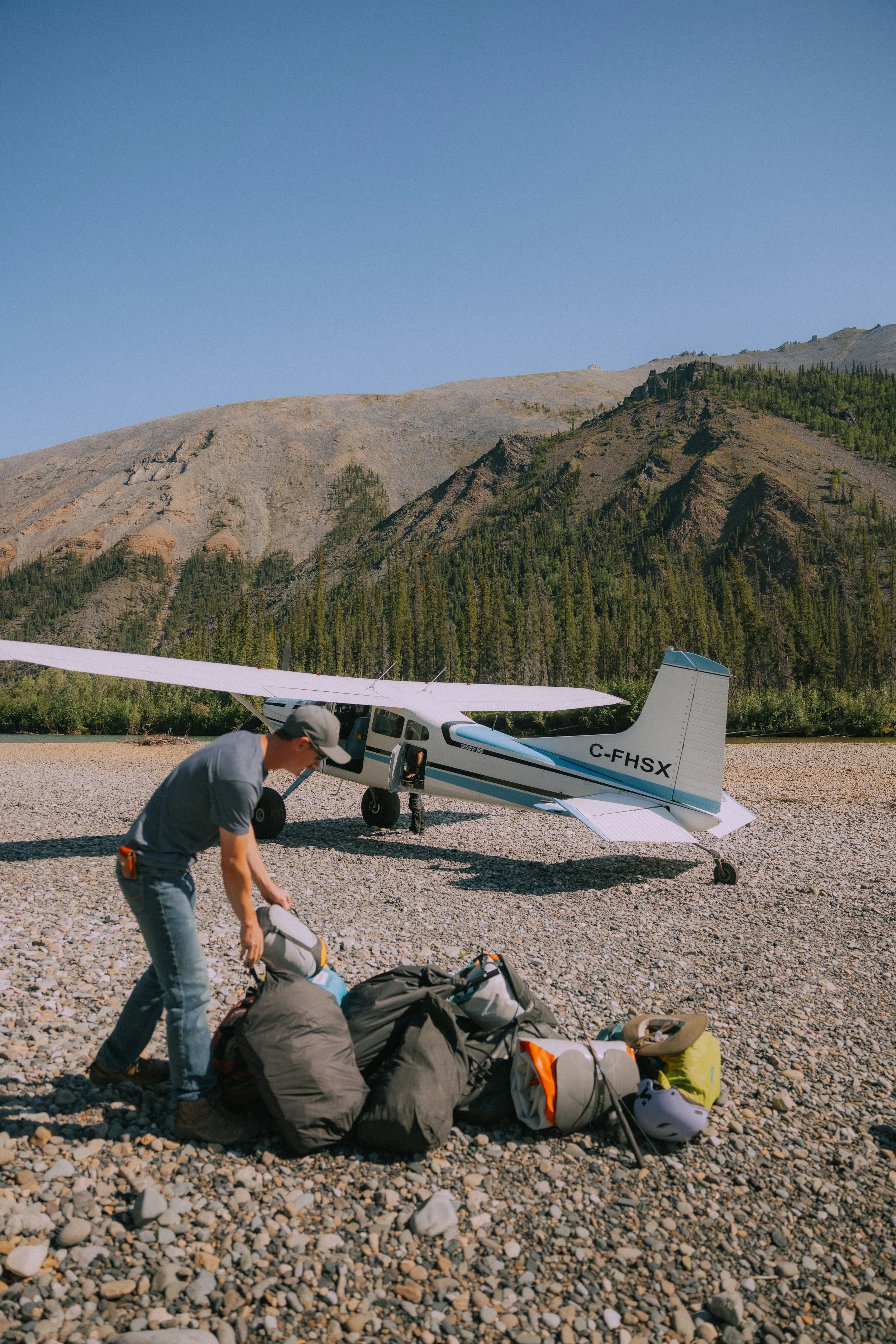
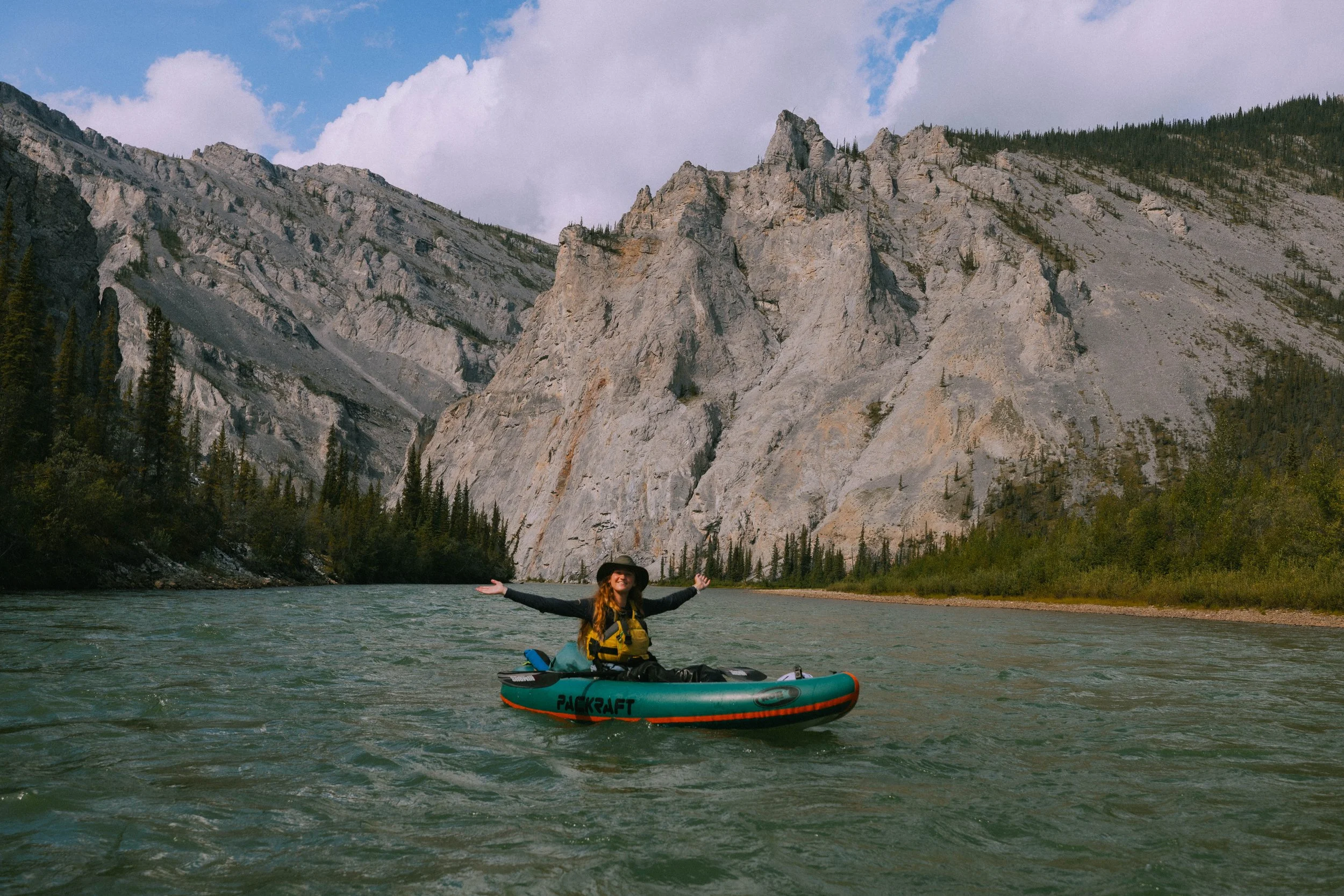
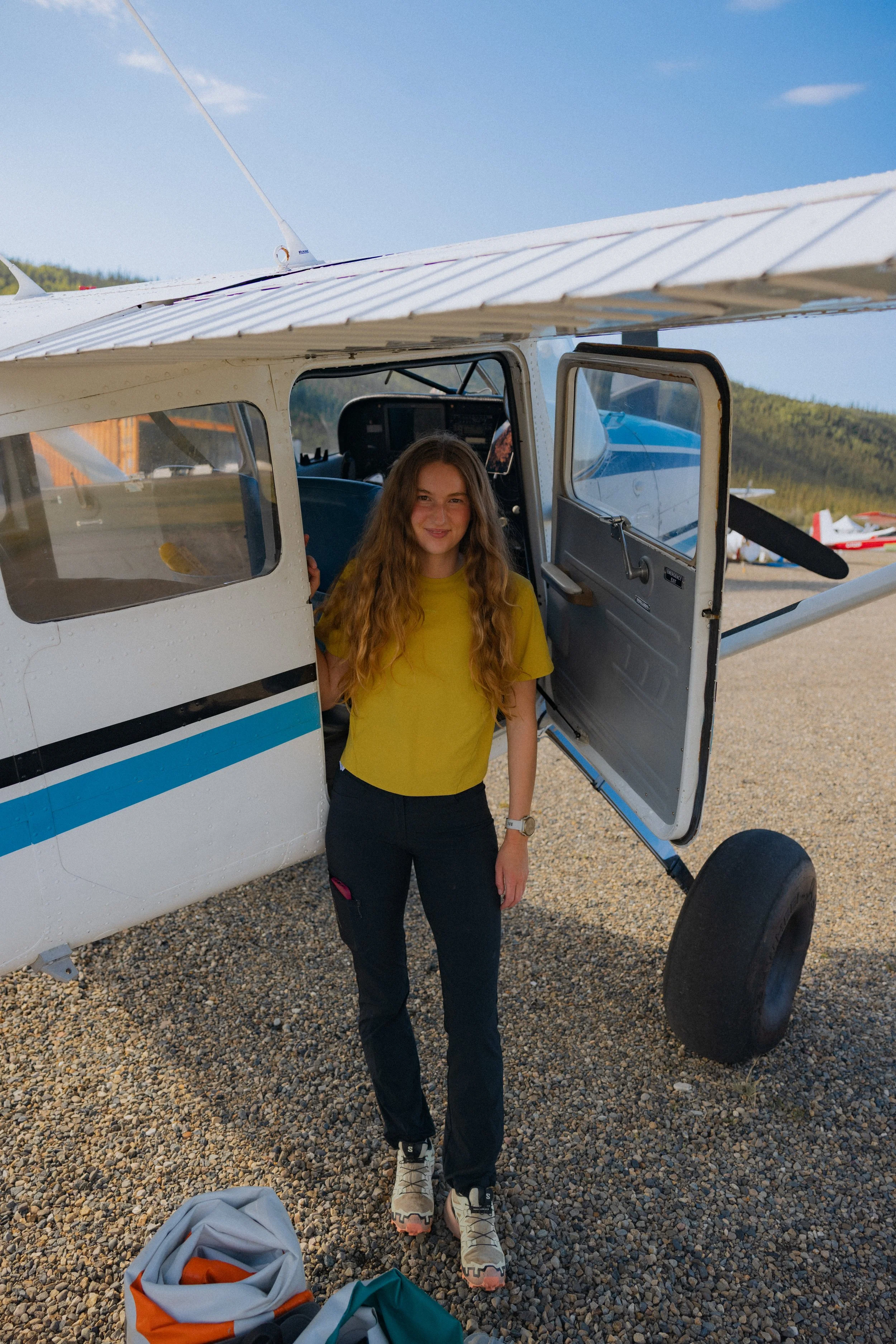
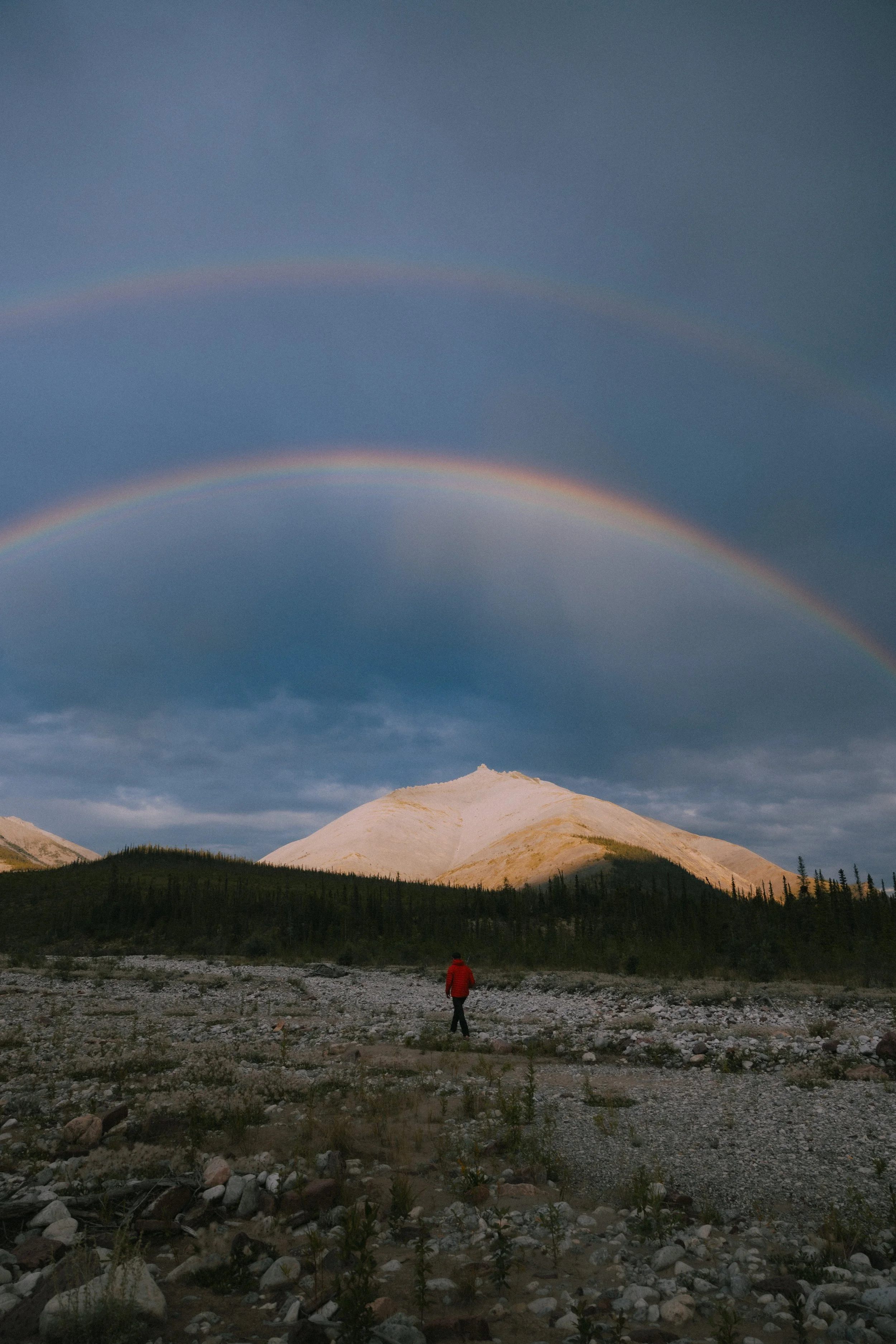
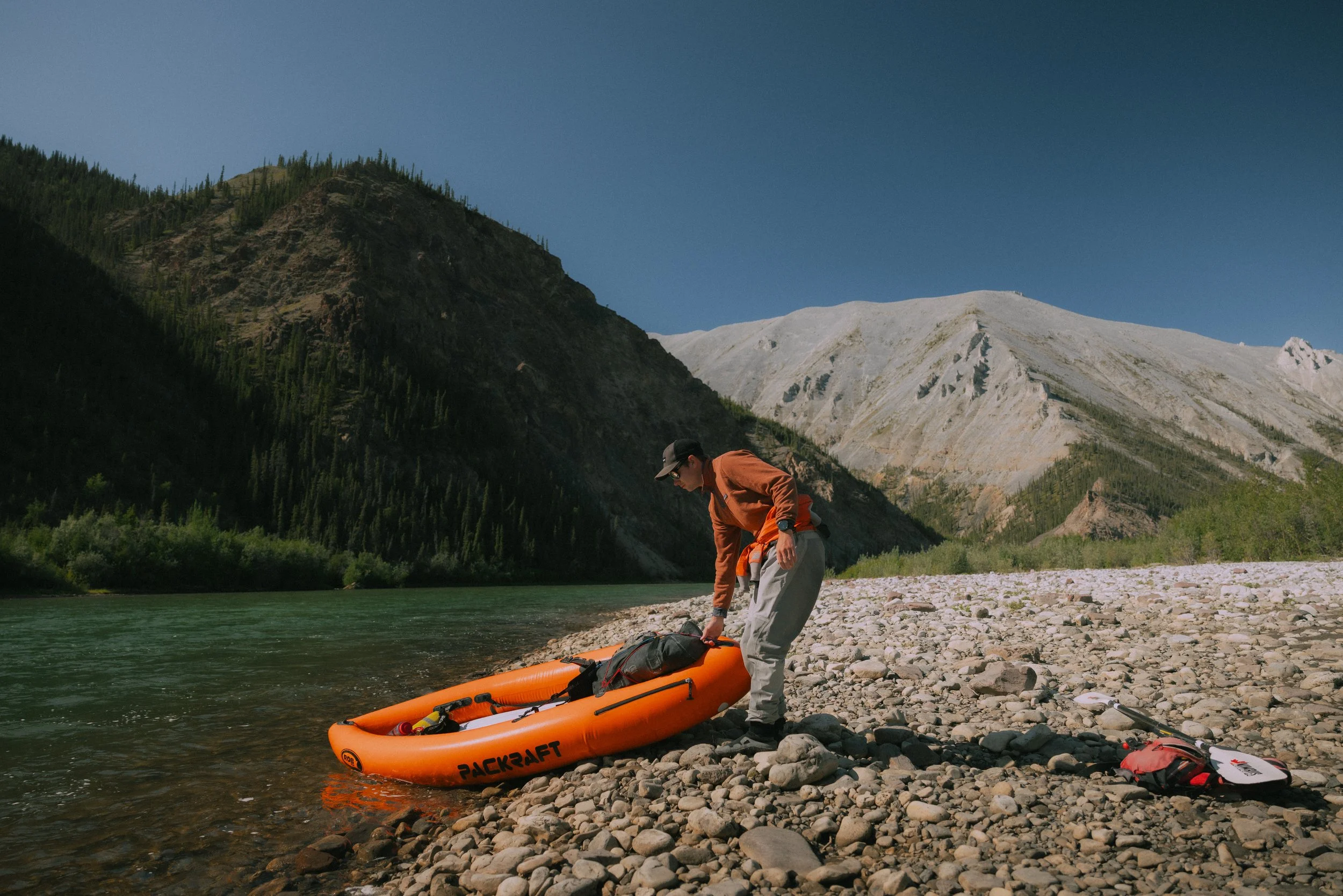
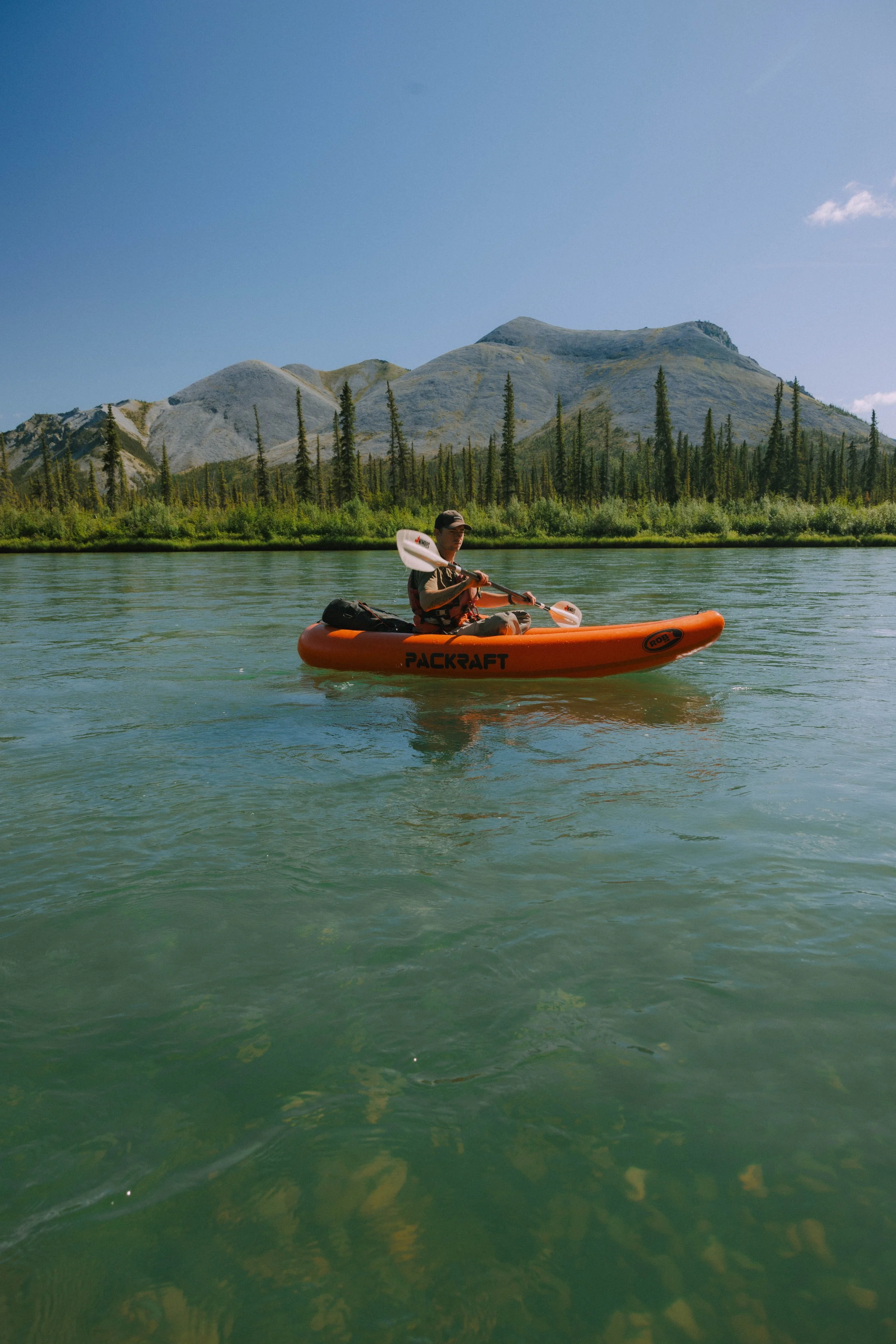
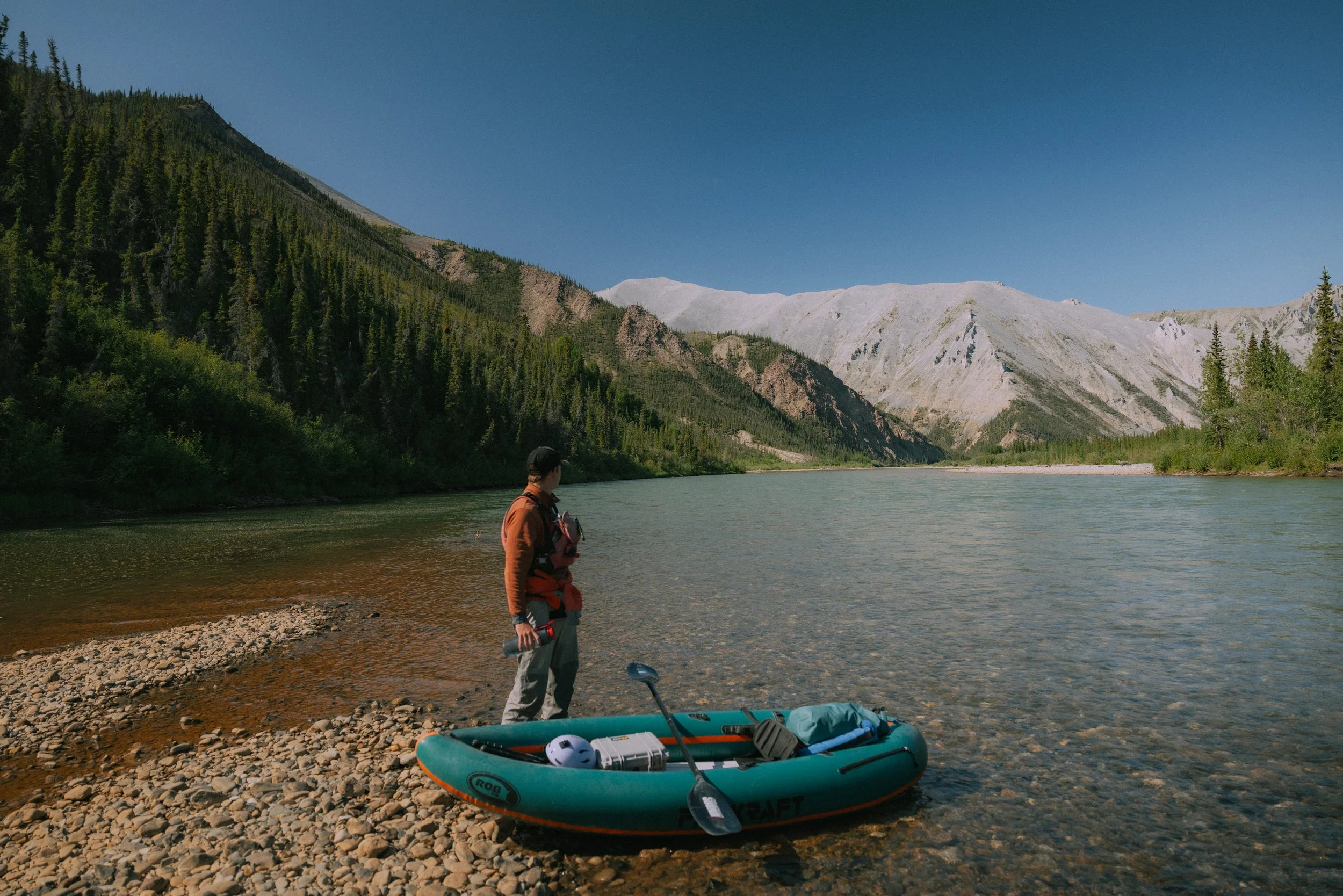
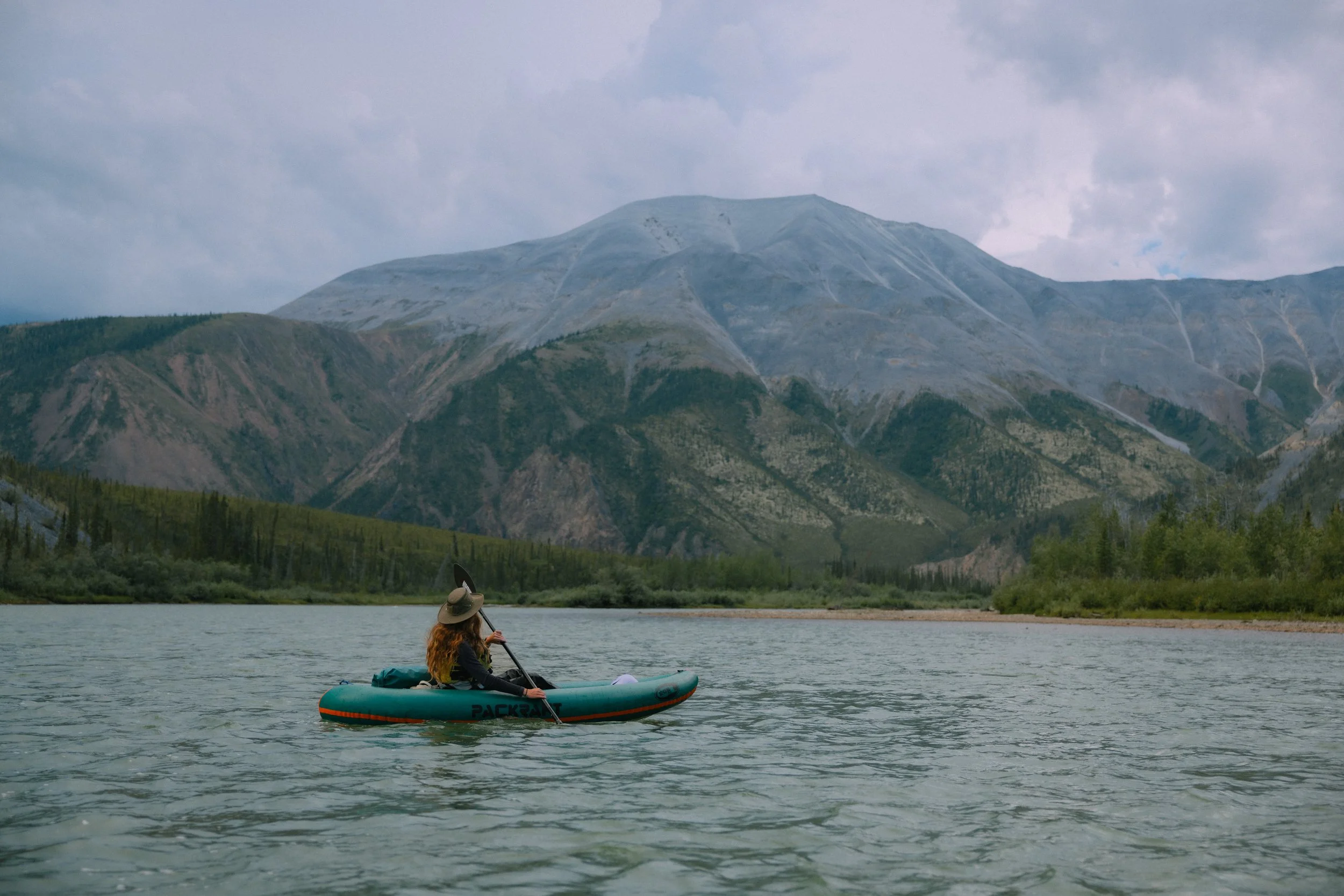
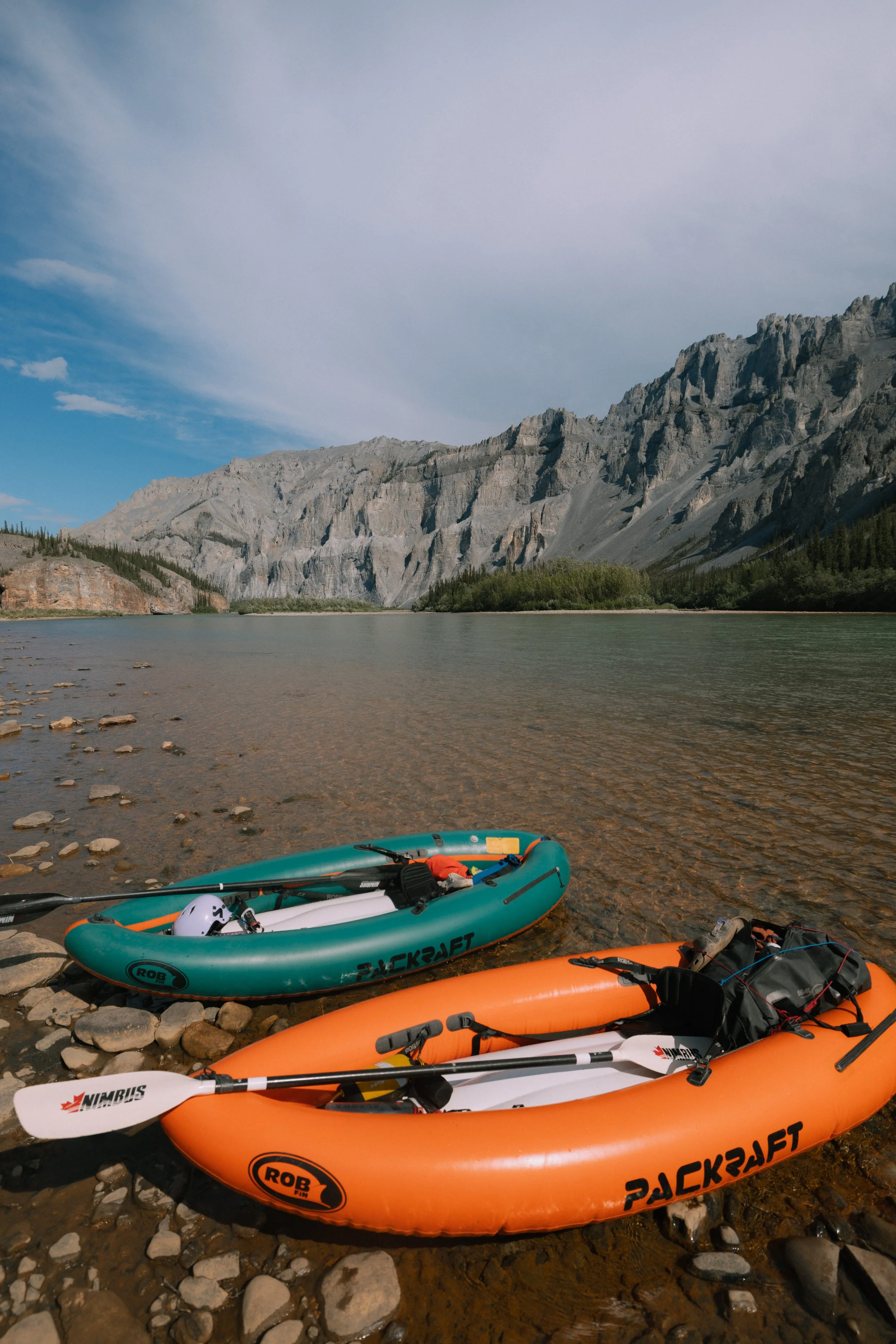
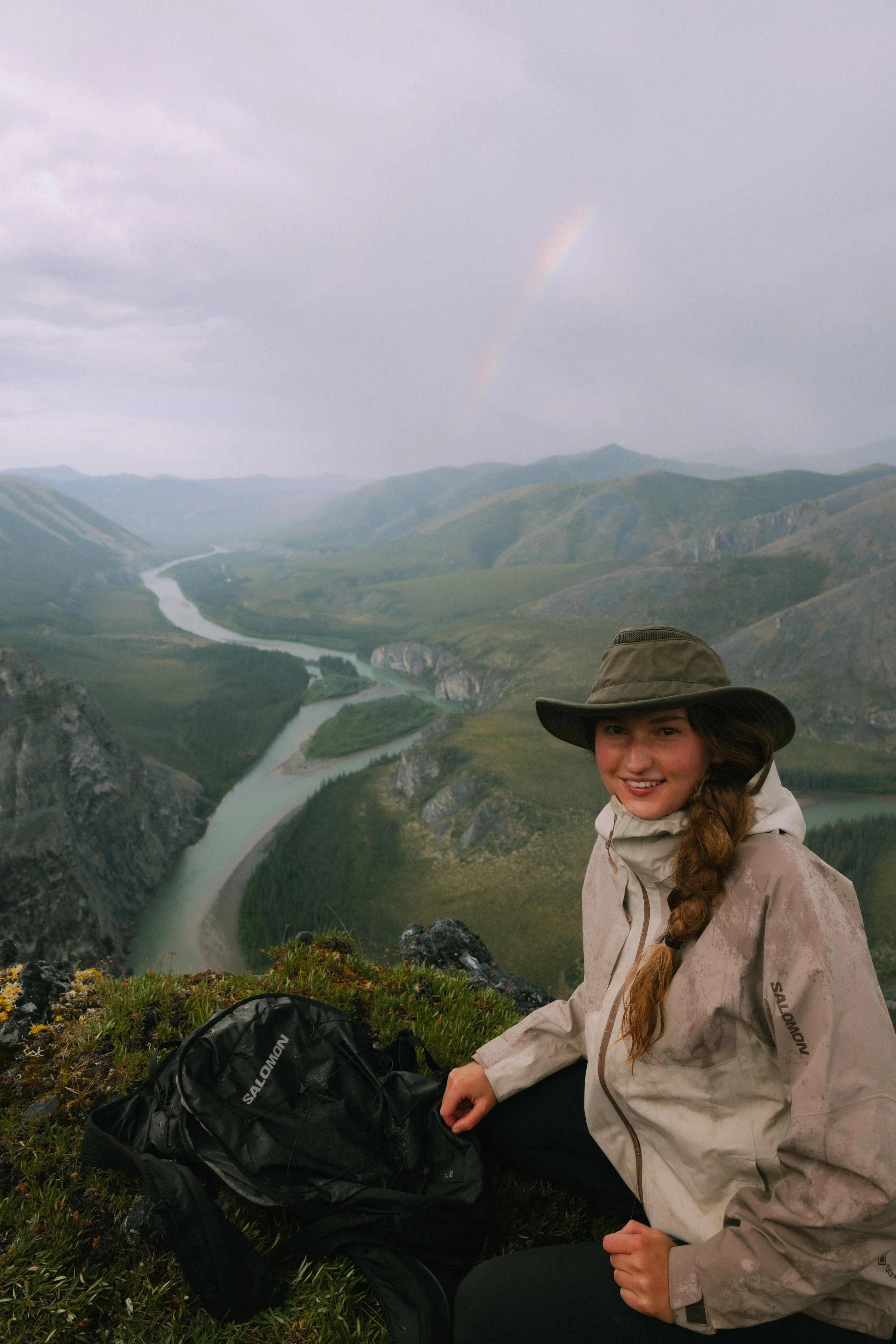
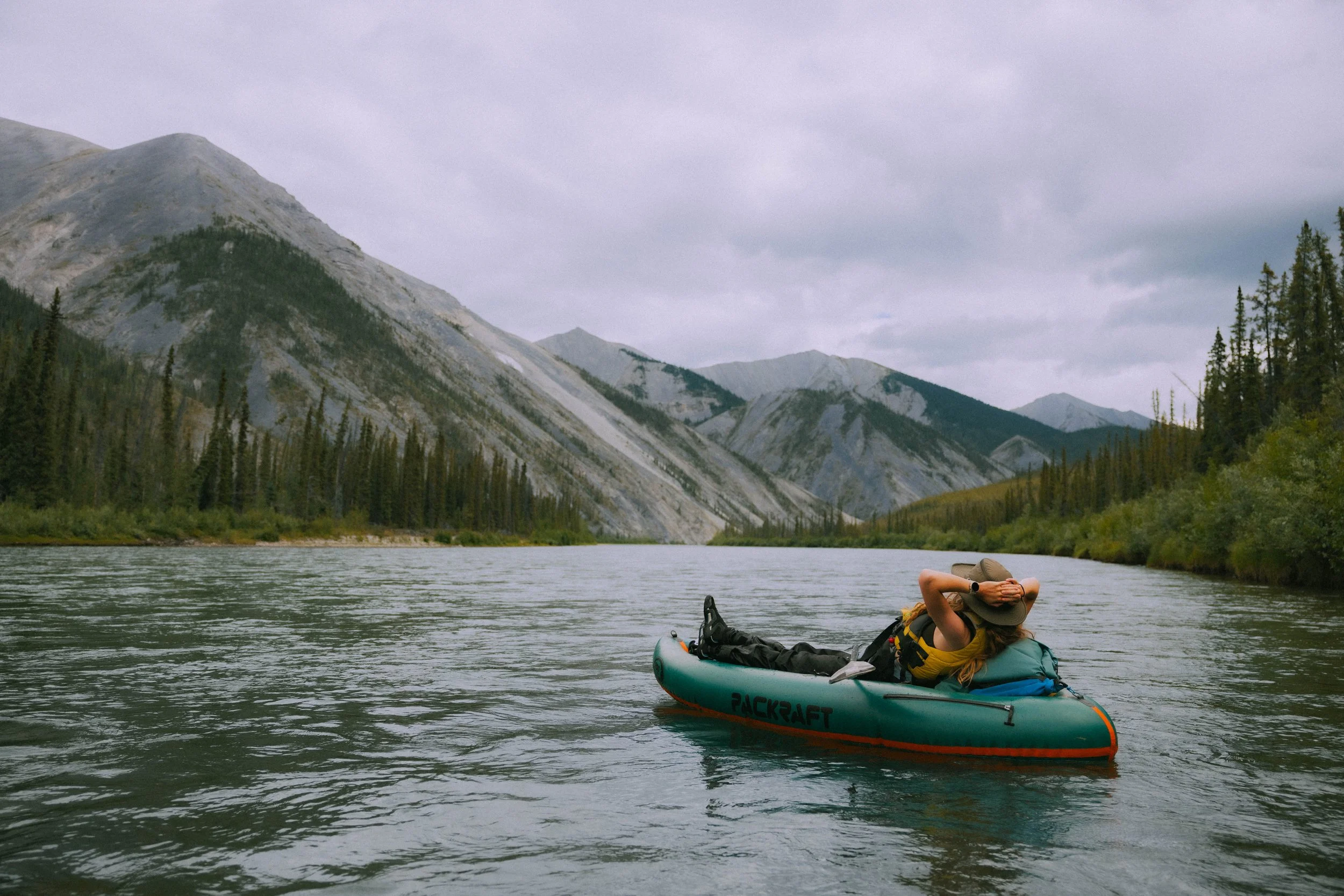
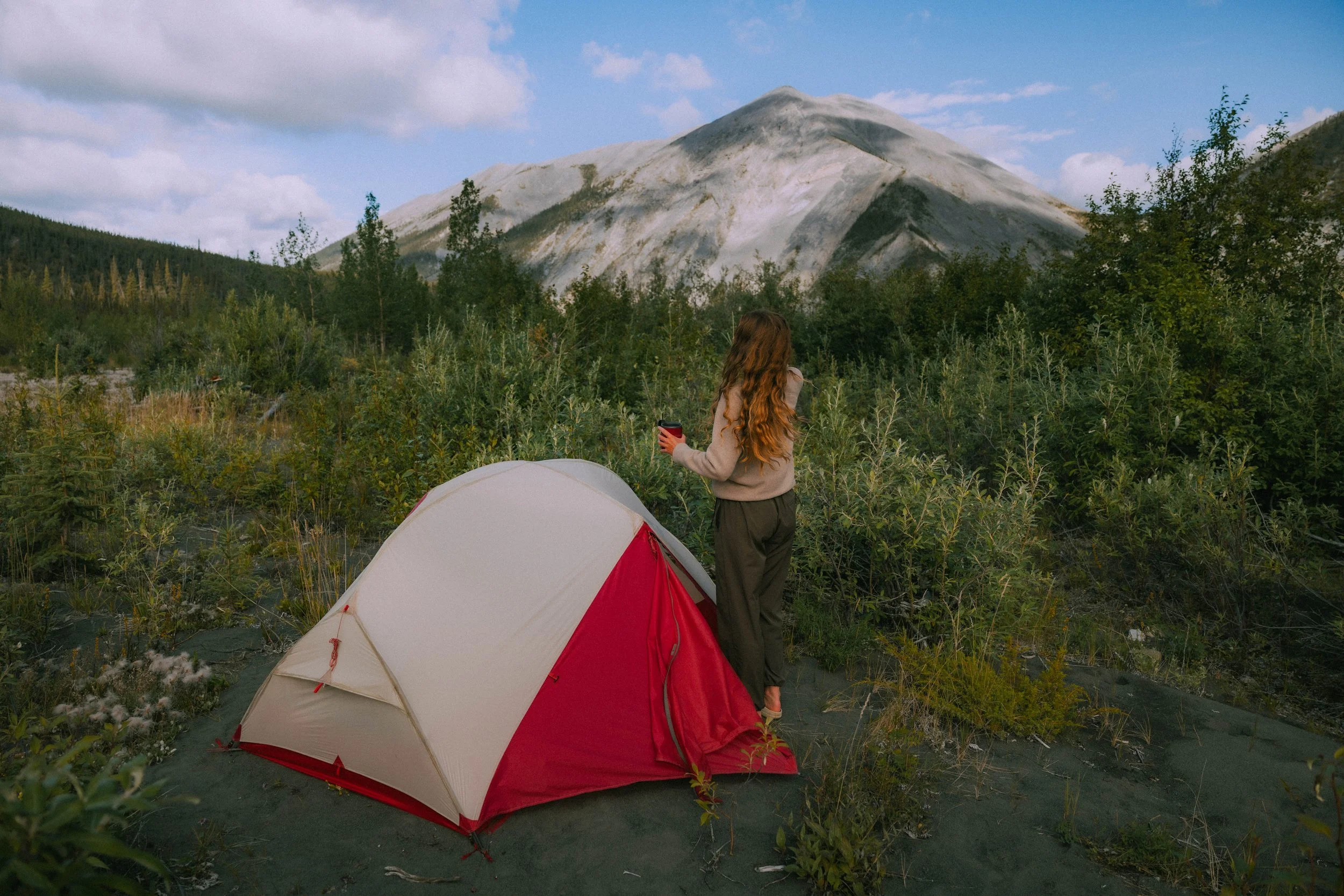
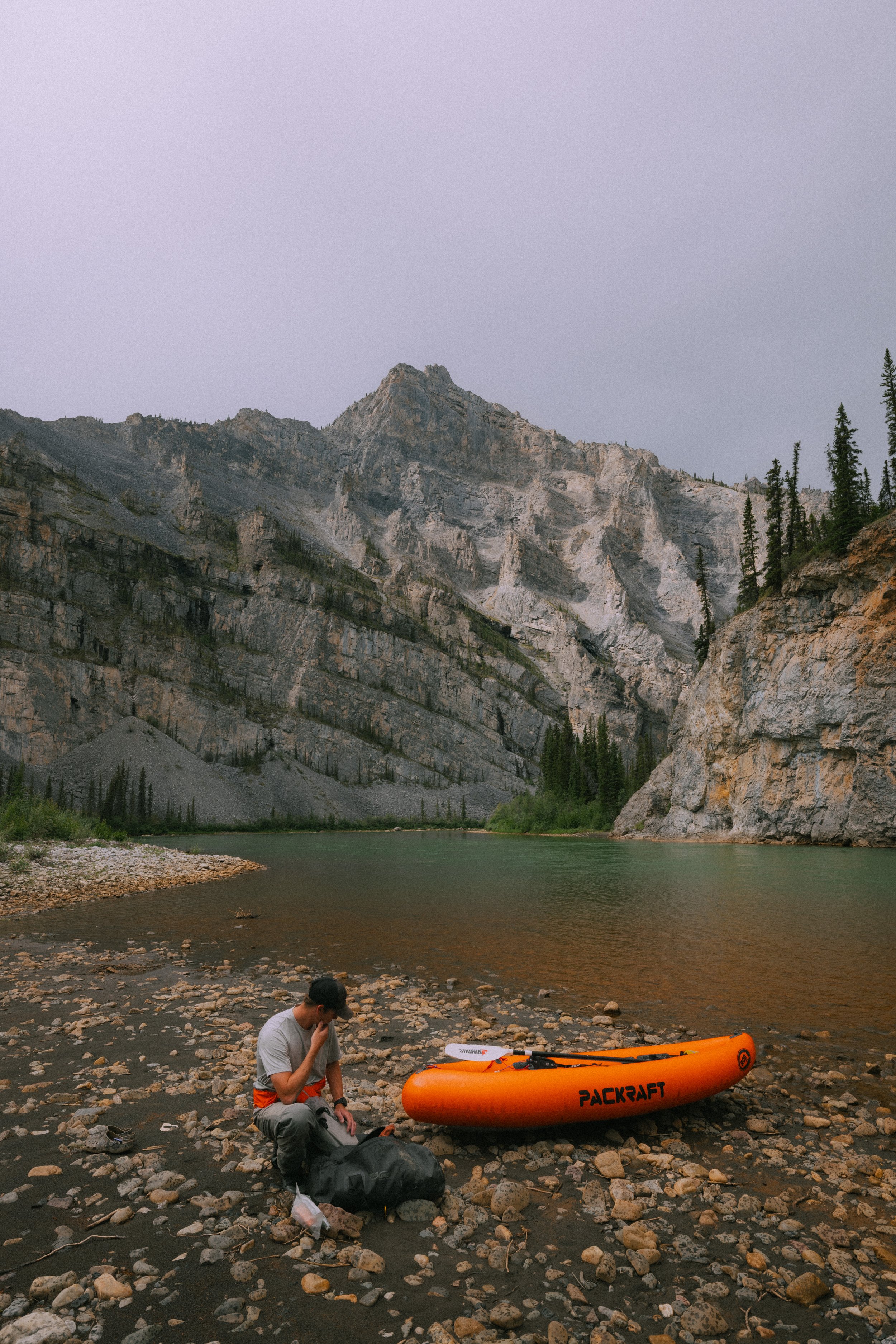
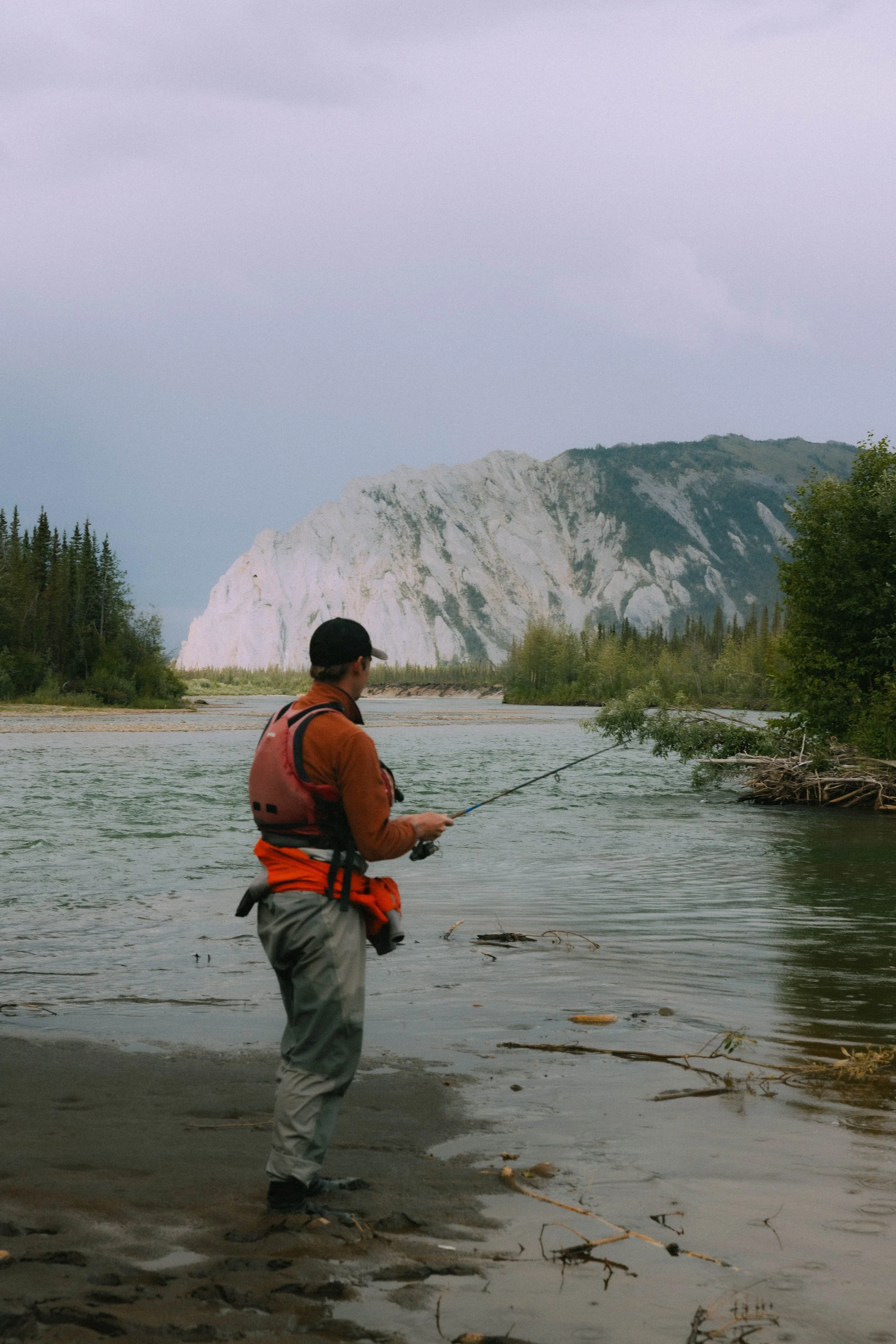
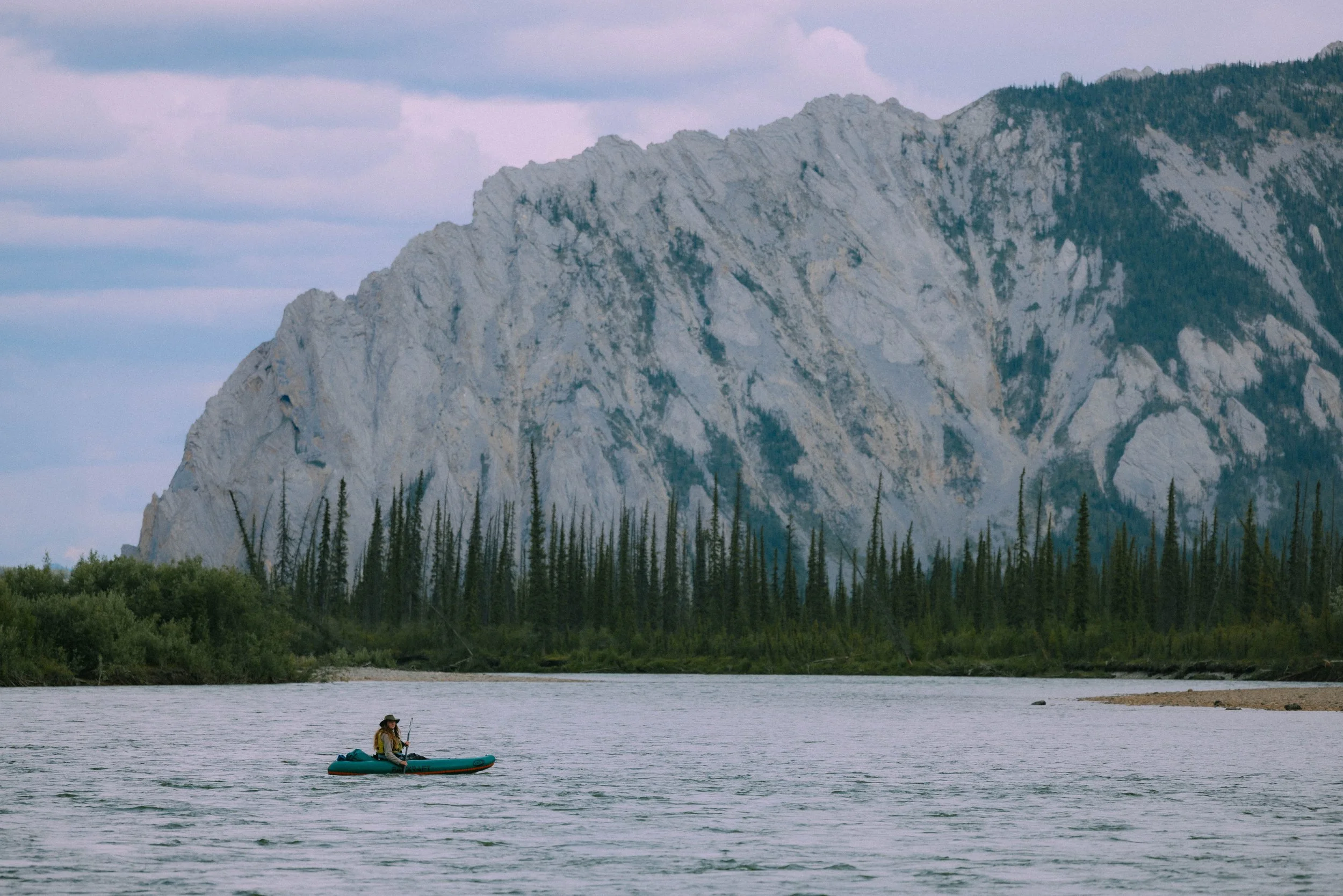
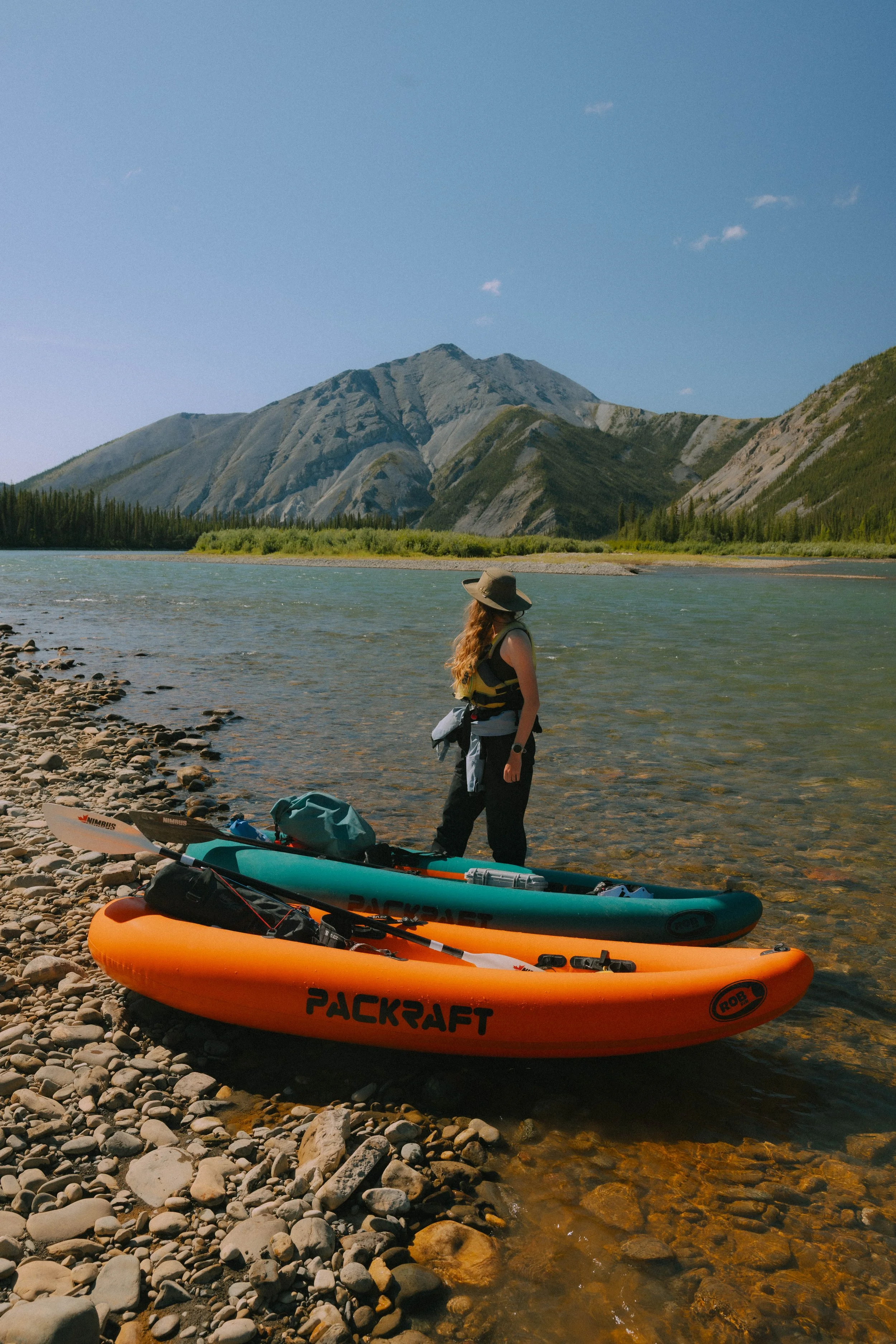
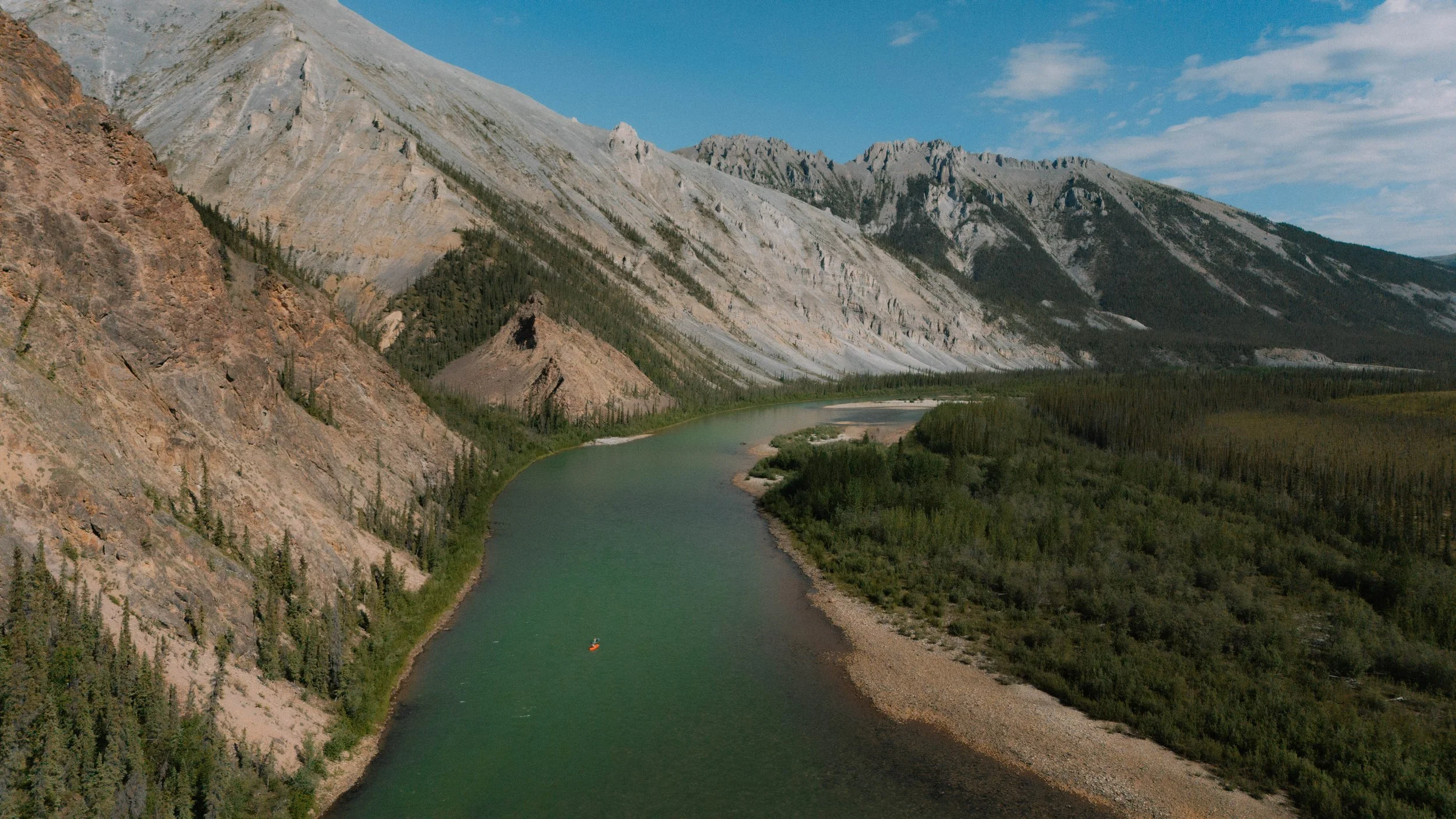
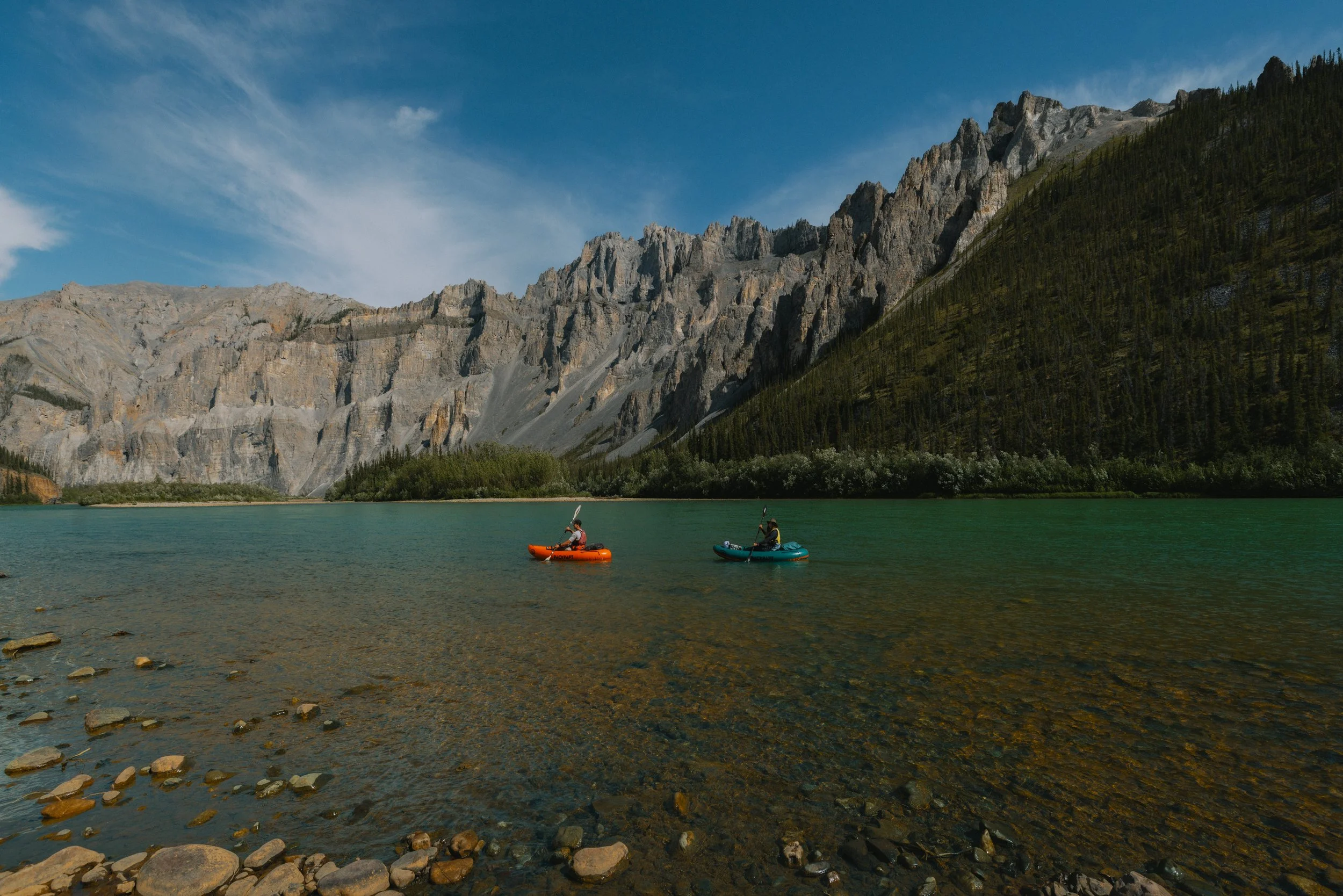
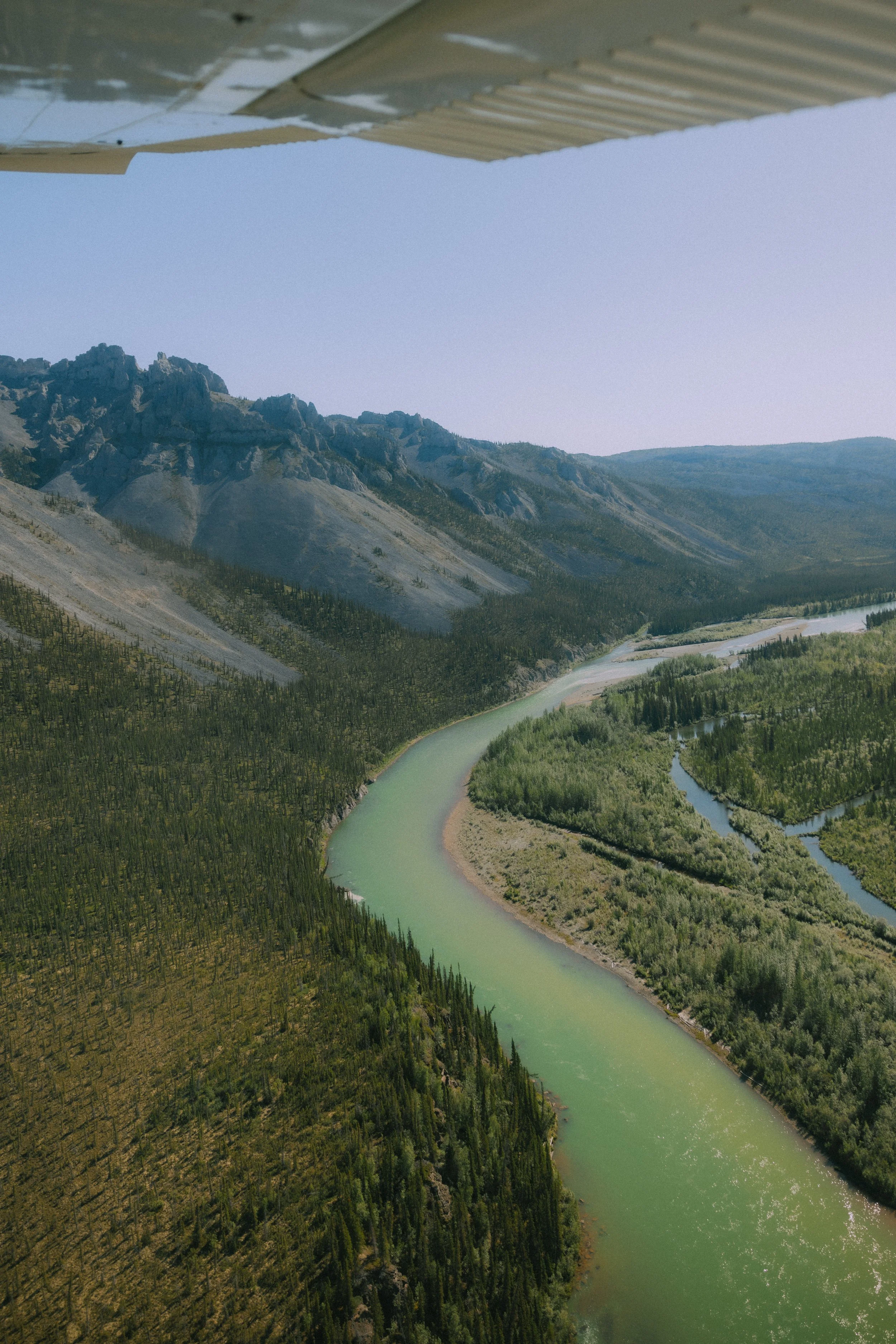
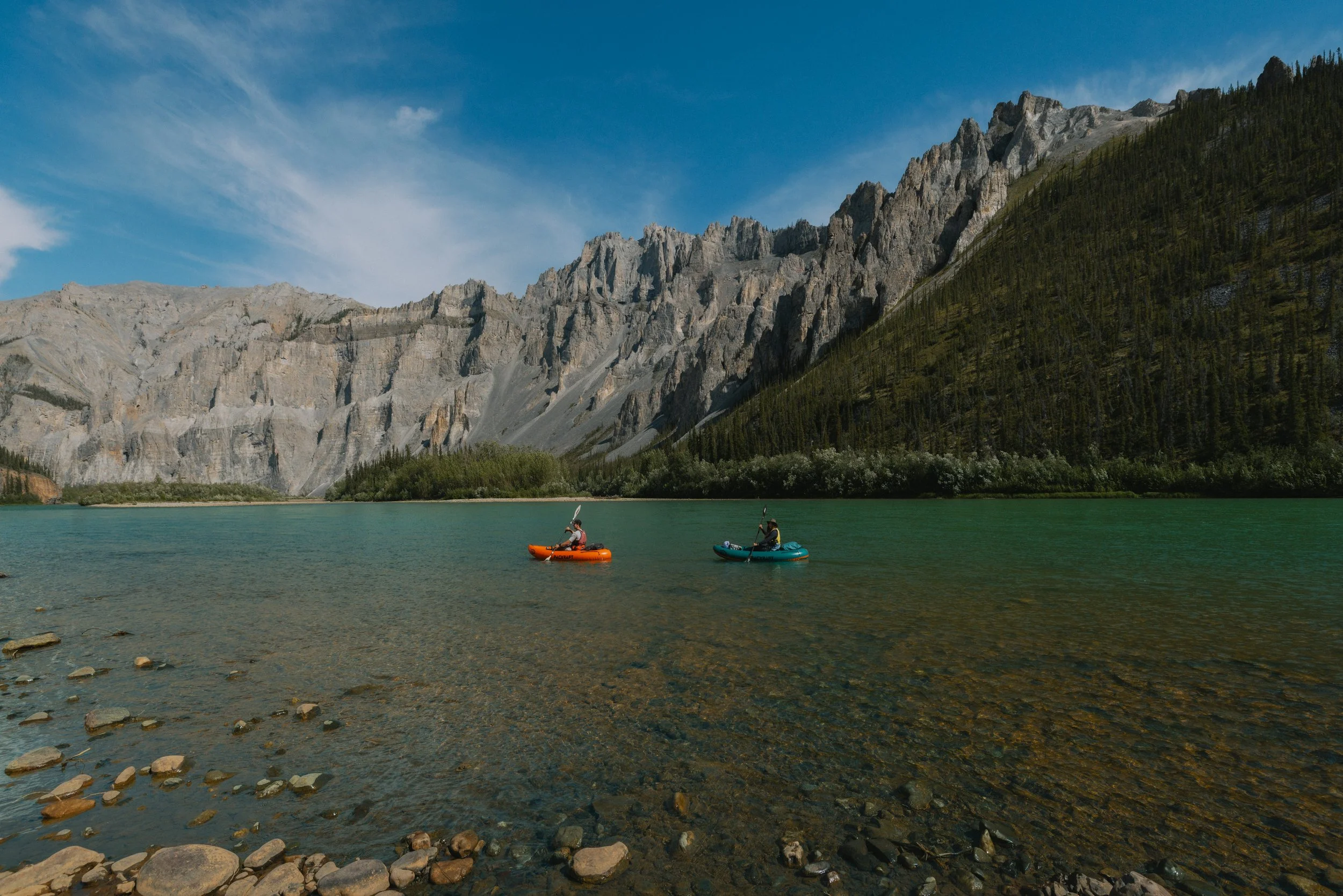
Embark on a rare six-day packrafting expedition hosted and guided by Dani Marie Lister and Jake Wykes. Journey by bush plane into the Peel Watershed, just shy of the Arctic Circle, to packraft and camp along the pristine Hart River. This remote region sees fewer than ~100 visitors each year. The Hart is a gentle, winding river, surrounded by jagged peaks and the section we paddle is ideal for learning the fundamentals of packrafting while still offering a true wilderness experience.
Disconnect from the modern world, deepen your outdoor skills, and share meaningful days with a small group of like-minded adventurers in one of the most untouched landscapes left on Earth.
Highlights:
Experience a vast region of unbroken wilderness where there are no permanent human settlements and roads
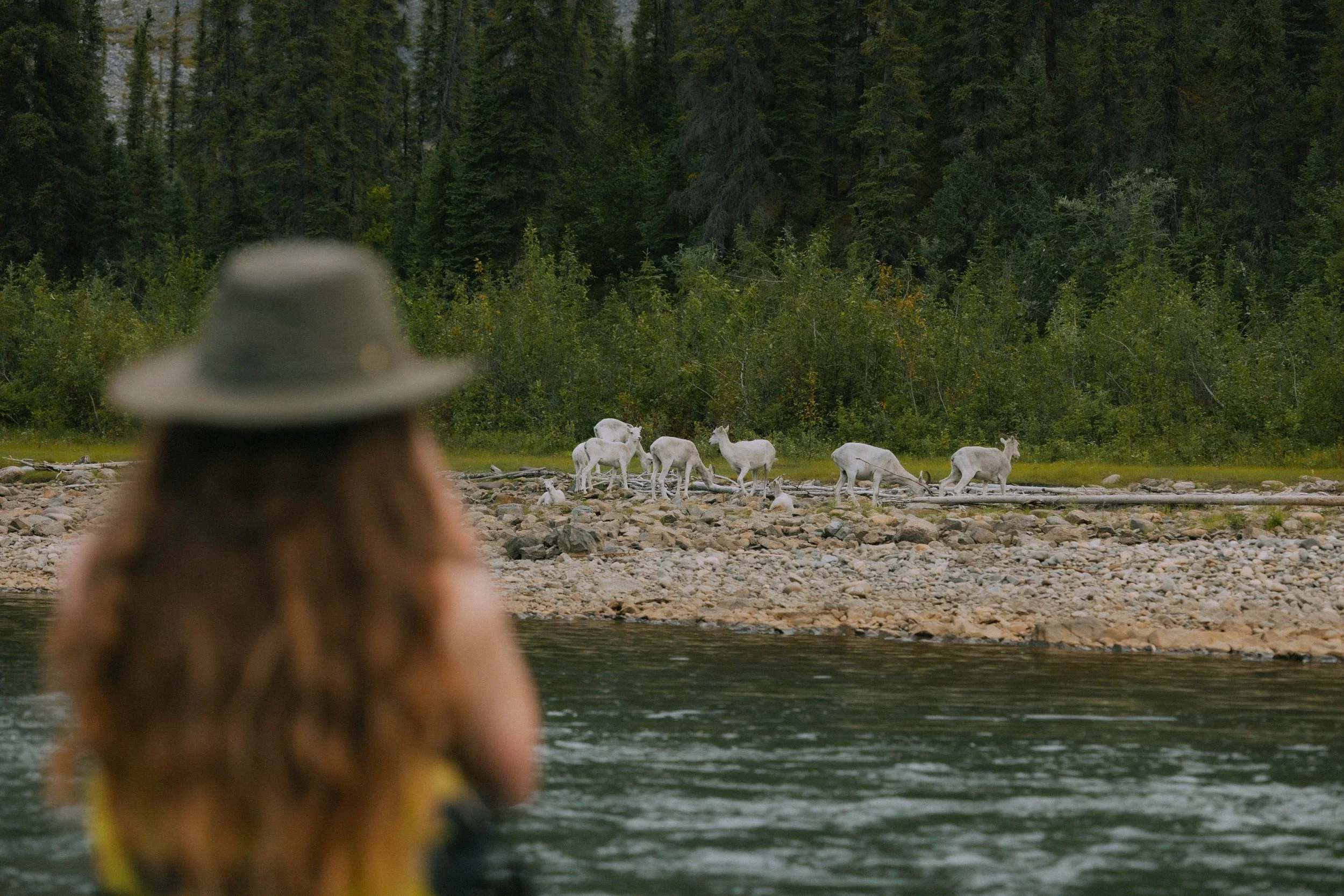
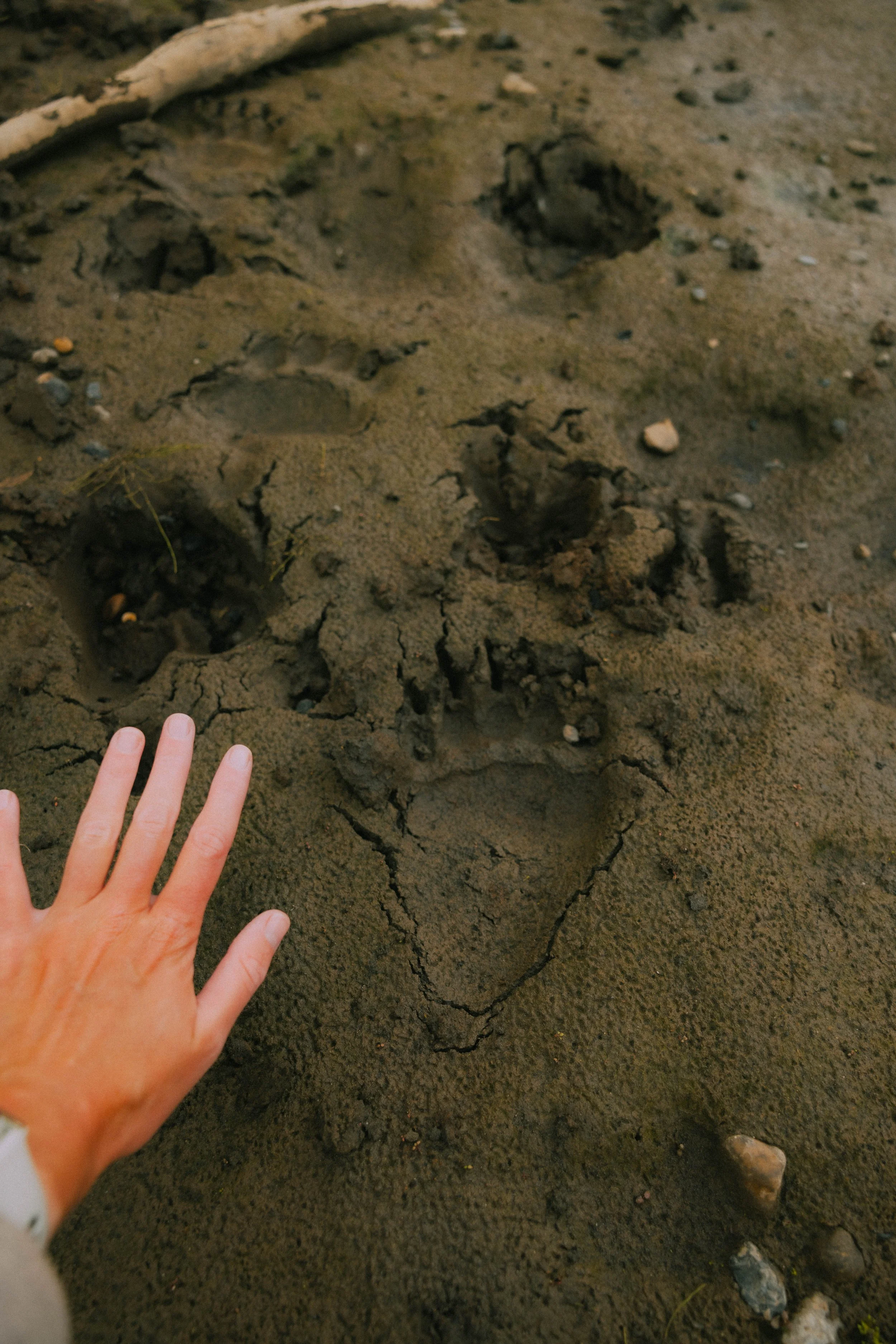
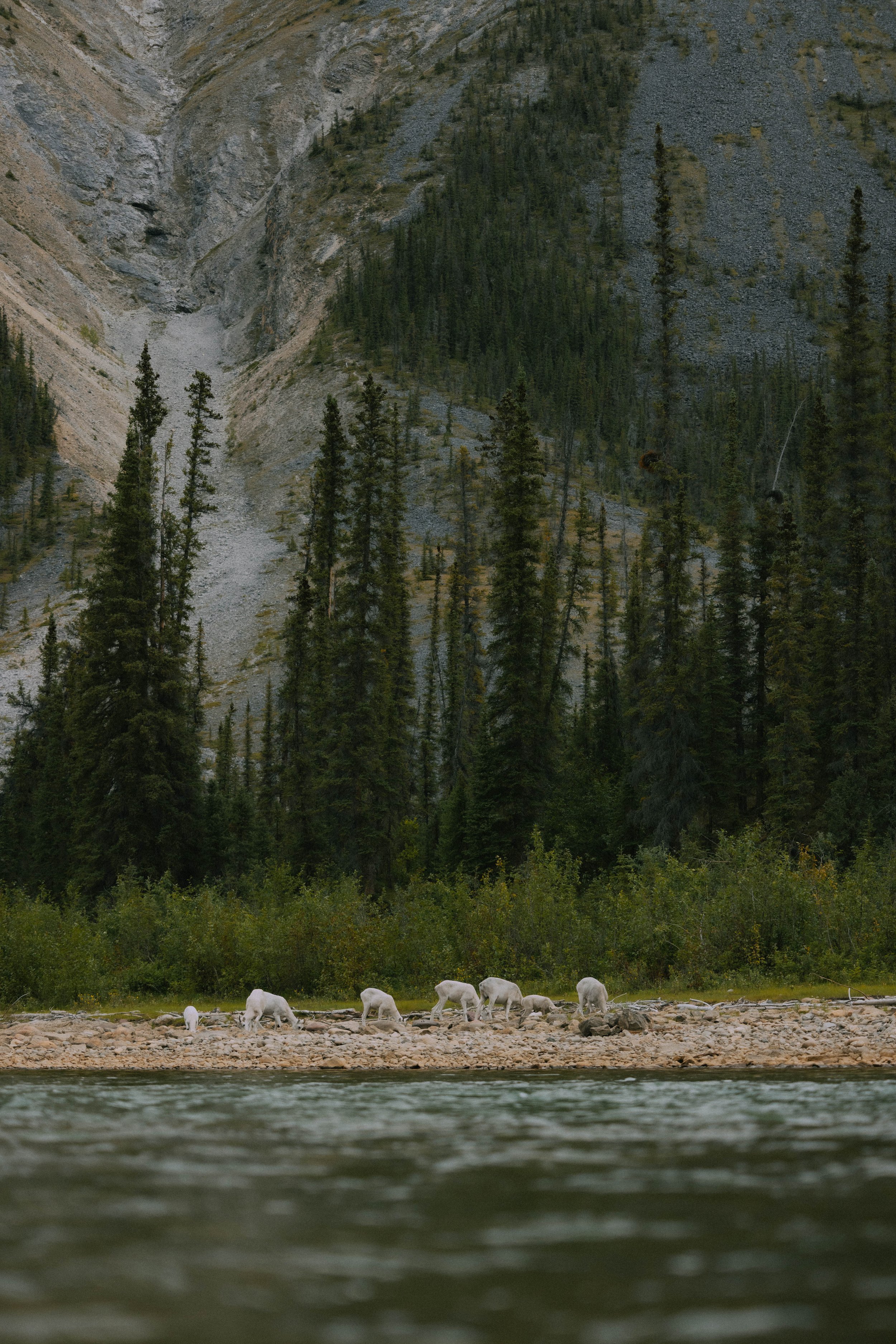
Potential to see Dall sheep, moose, bears, wolves and other wildlife
Learn the fundamentals of packrafting and river safety on an approachable class I-II river
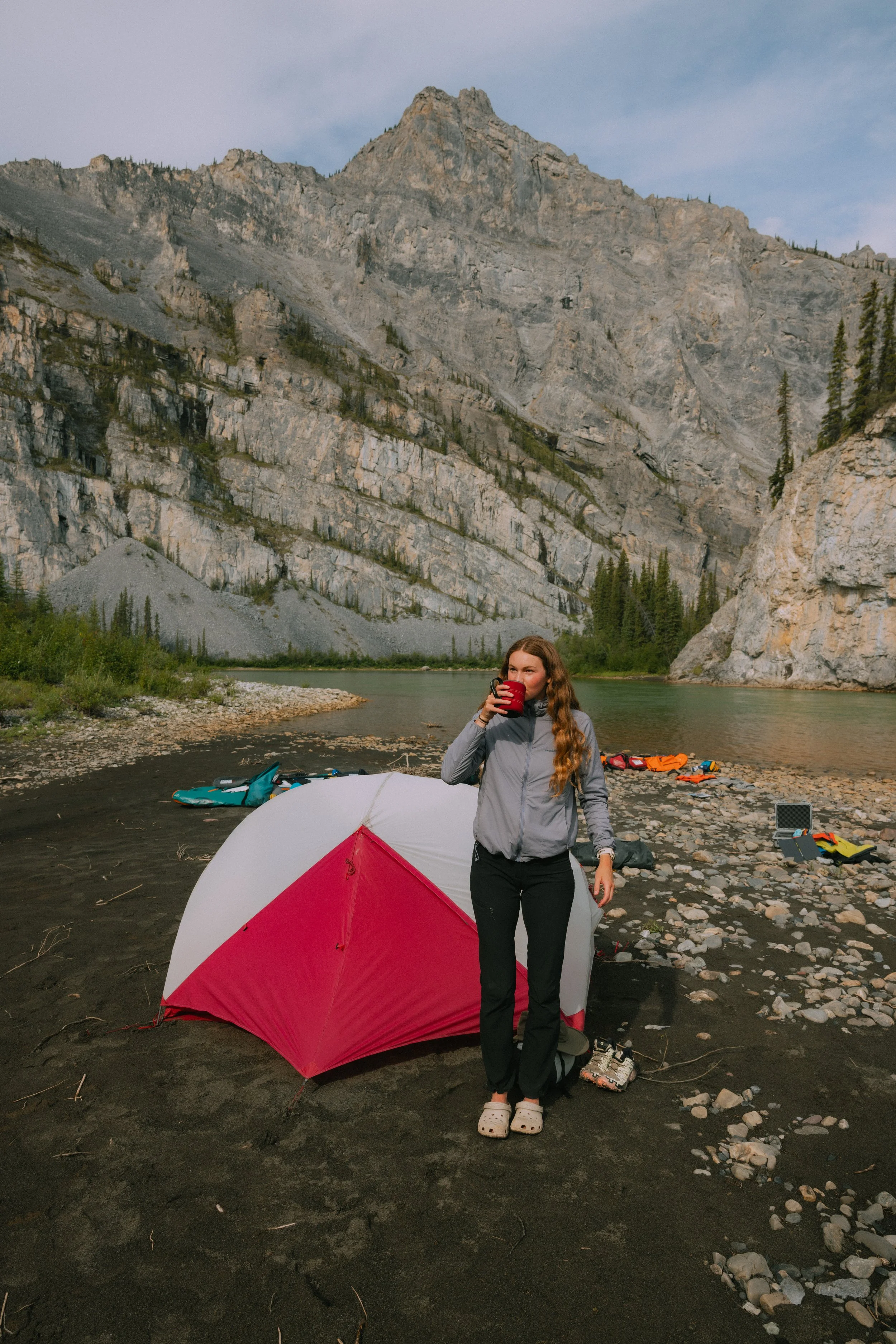
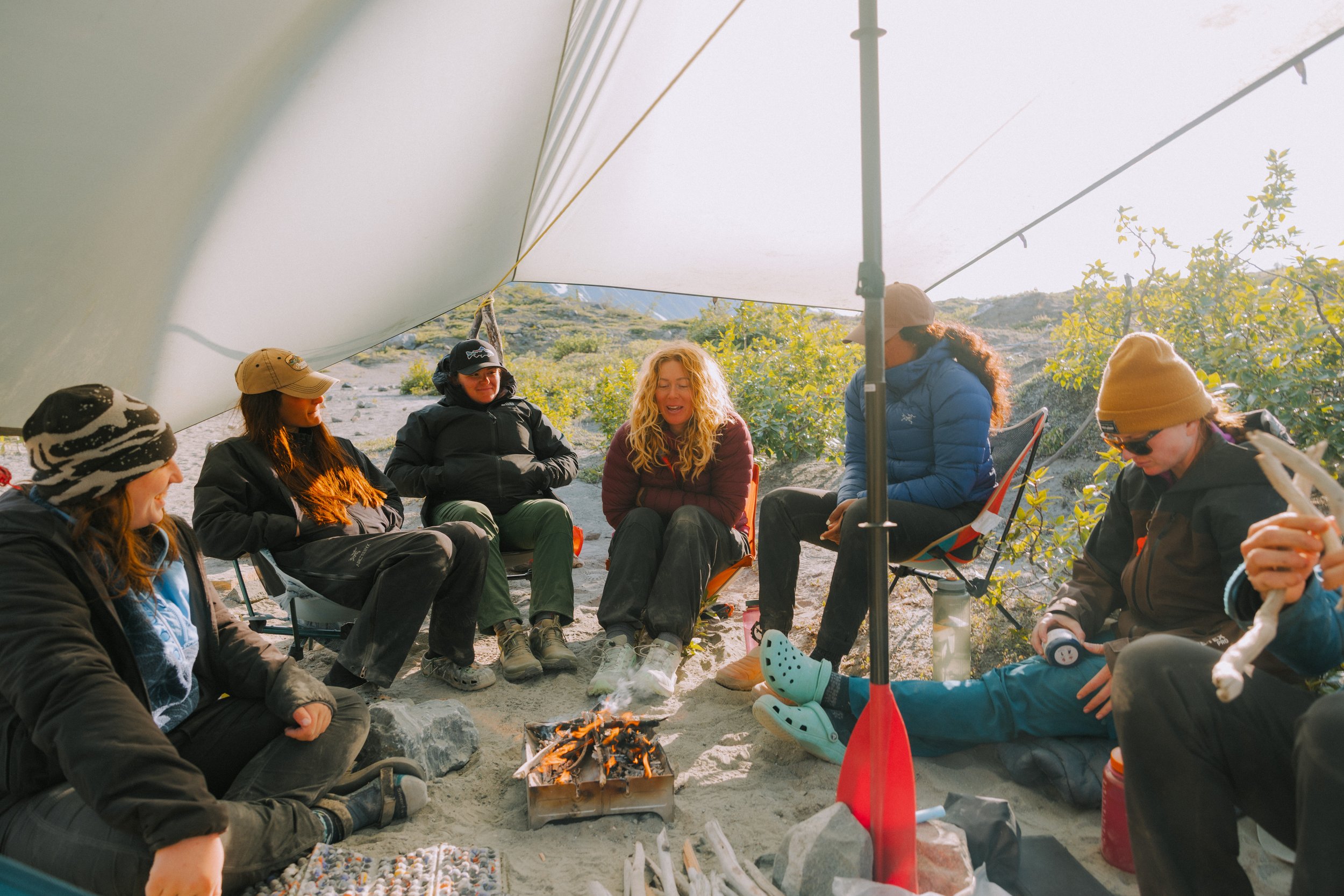
Camp in pristine wilderness. This trip is equally about enjoying camp as it paddling the river. Prepare to feel fully relaxed with nature.
Fly in and out bush plane
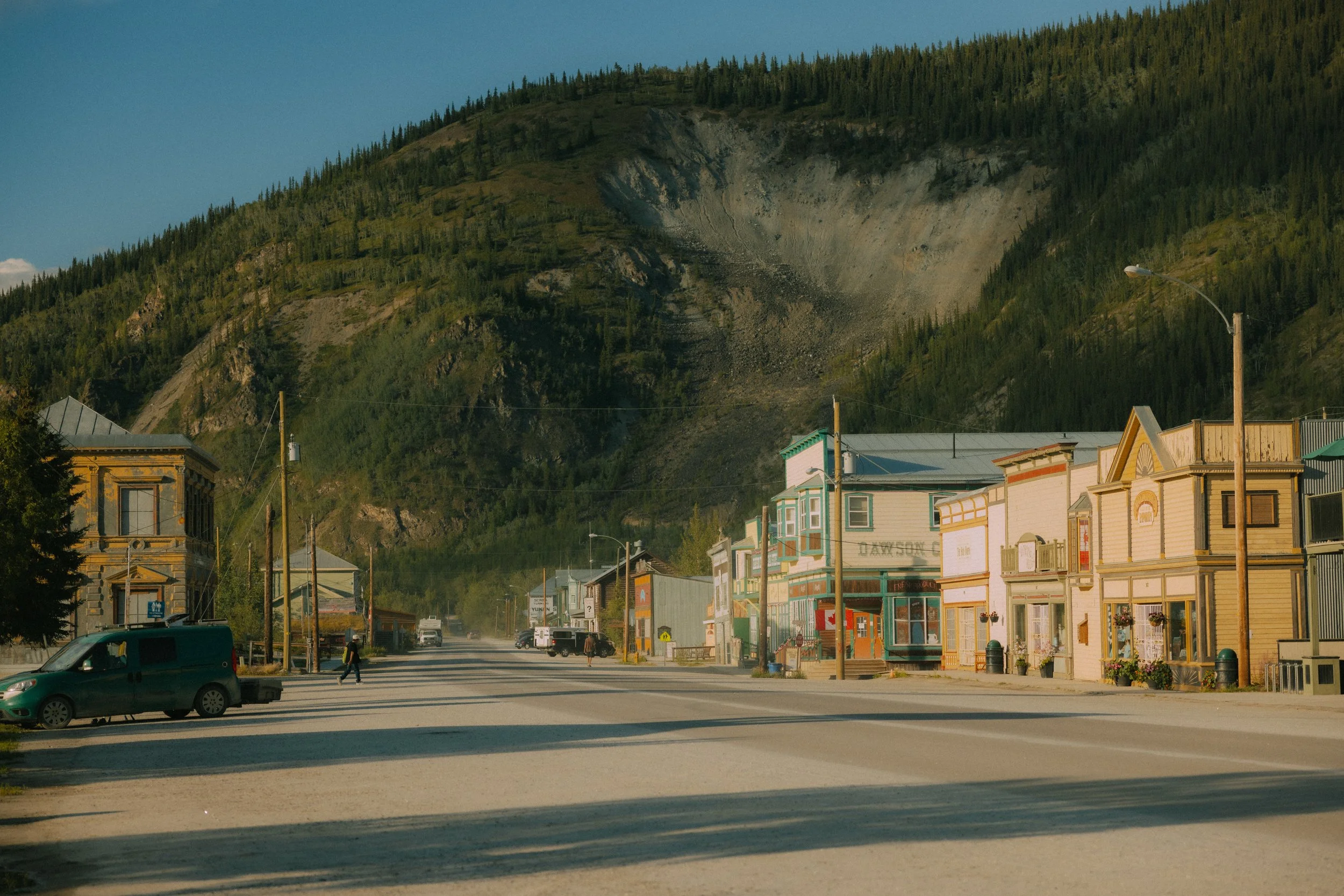
Experience the historical Gold Rush town of Dawson City, Yukon
Trip applications open January 30 at 4:00pm PST. Newsletter subscribers will receive 24 hours of early access to apply.
Dates:
August 15 - August 23, 2026
Price:
$6,594 CAD per person (or $4,780.89 USD) Payment plan and instalments option available.
Duration:
9 days (6 days on the river)
Guide Ratio:
1 Guide / per 3 Guests
Start Point:
Erik Neilson International Airport in Whitehorse, Yukon. 10 min Taxi into Downtown Whitehorse
Impact:
100% leave no trace. .
Skill Prerequisites:
1:3 guide to guest ratio


Paddling Experience:
No previous paddling experience required but must be willing to learn! Some days may have up to 6 hours of paddling. The section we paddle is rated as class I & II.


Camping Experience:
Previous camping experience is required. Must be comfortable in wilderness settings off-grid.


Physical Skill:
Must be capable of lifting up to 50lbs, paddling up to 6 hours and hiking 10km.

Above all is a “Can-do” attitude! Positive attitudes are essential for maximum enjoyment of all.
Good Attitude:
Feeling unsure? Please contact us, we are happy to answer your questions :)
About the Hart River and Peel Watershed
The Peel Watershed in northern Yukon lies within the traditional territories of the Tetlit Gwich’in, Tr’ondëk Hwëch’in, Vuntut Gwich’in and Gand Na-Cho Nyäk Dun, who have cared for this land for thousands of years. The region was the focus of a historic legal battle to protect its rivers, valleys, and wildlife from industrial development, securing its status as one of North America’s last intact wilderness areas.
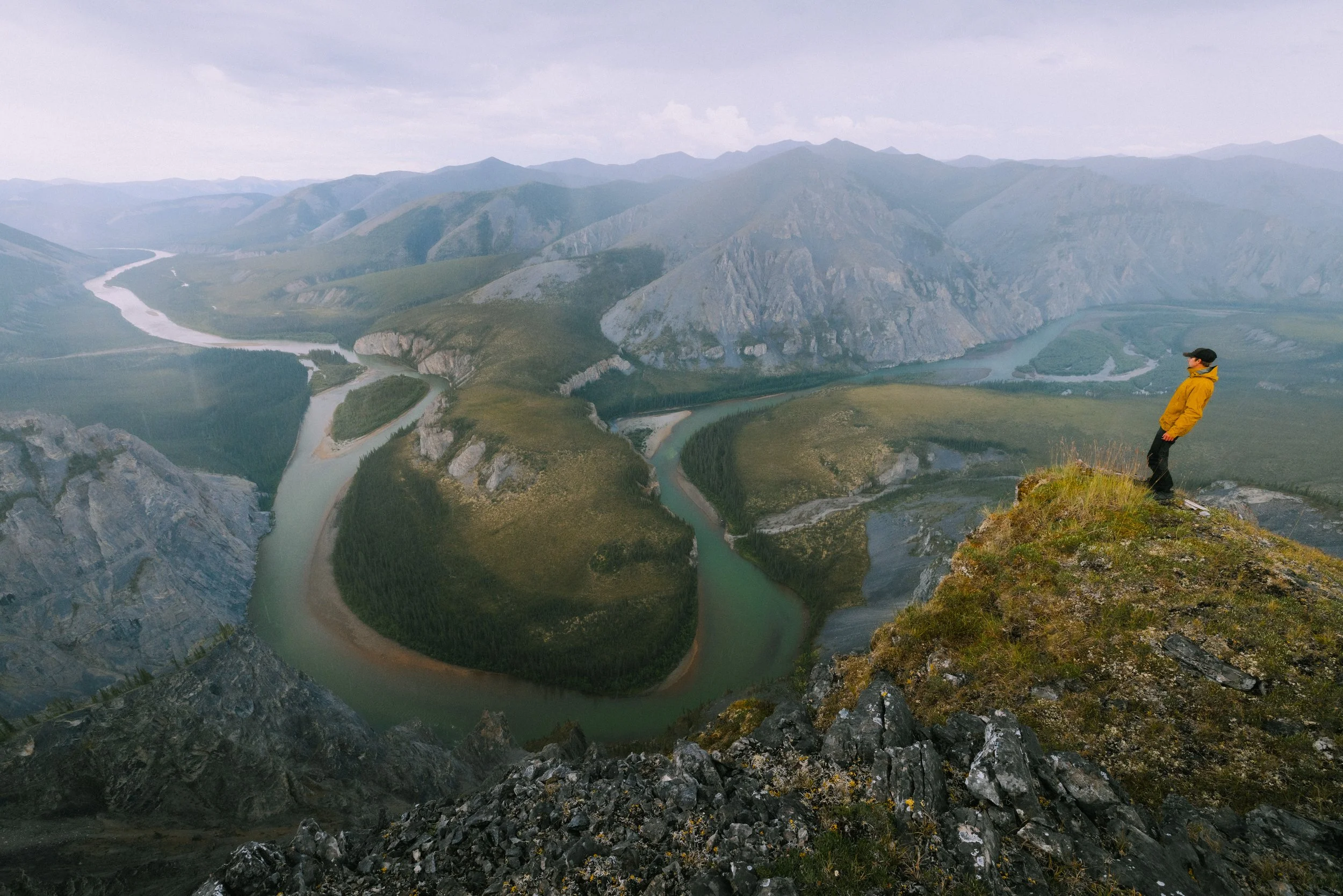
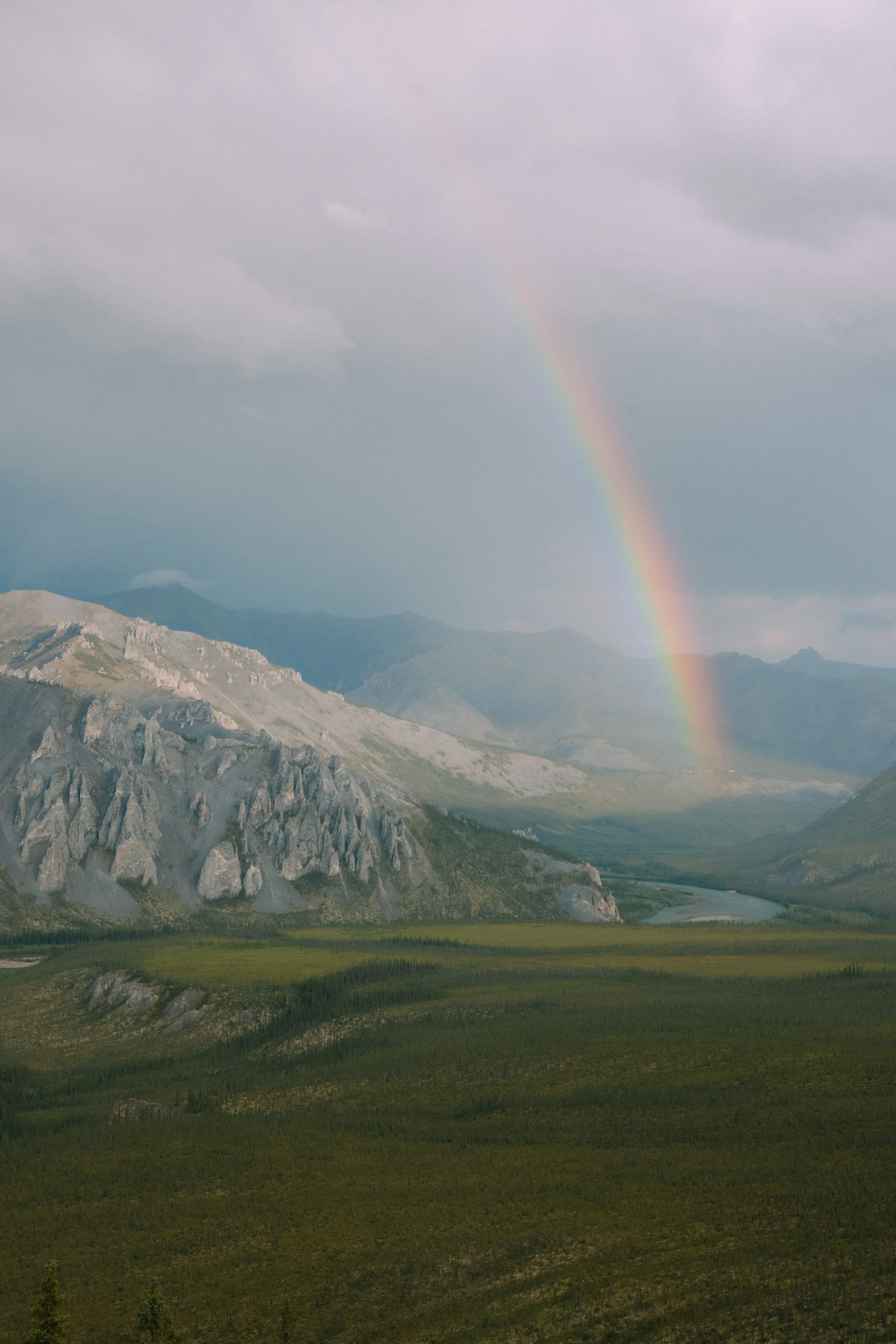
The Hart River flows through rugged canyons, broad valleys, and mineral-rich cliffs, supporting diverse wildlife including Dall sheep, caribou, and migratory birds. Shaped by the last Ice Age and remnants of Beringia, the Peel Watershed hosts a variety of ecosystems and rare habitats, from alpine tundra to riverine forests. Today, thanks to its protection we are lucky to experience the free-flowing rivers, abundant wildlife, and wild character, allowing visitors to connect with pristine wilderness and enduring cultural landscapes.
Itinerary.
-
Welcome to the wilderness city of Whitehorse, Yukon. Please arrive in Whitehorse on. August 15. This day is key for our river logistics. We will visit each guest to ensure you’ve packed the proper gear for our journey, as well as to fit you for your drysuit and paddling equipment.
There will also be an optional group dinner, offering a chance to get to know the other guests. Accommodations are not included for this day; we recommend staying in downtown Whitehorse, as it is very walkable and easy to explore.
-
The adventure begins! Today we’ll get an early start and pick up each guest from their respective accommodations before making the scenic journey to the heart of the Klondike Gold Rush, Dawson City. The drive is approximately 6.5 hours, but we’ll make several scenic stops along the way and share stories and history from the Klondike Gold Rush.
In the evening, you’ll have free time to explore the streets of this historic town, it truly feels like stepping back in time. We’ll gather later for a group dinner at a local restaurant (all meals will be included). The night will be spent camping in tents at a local campground.
-
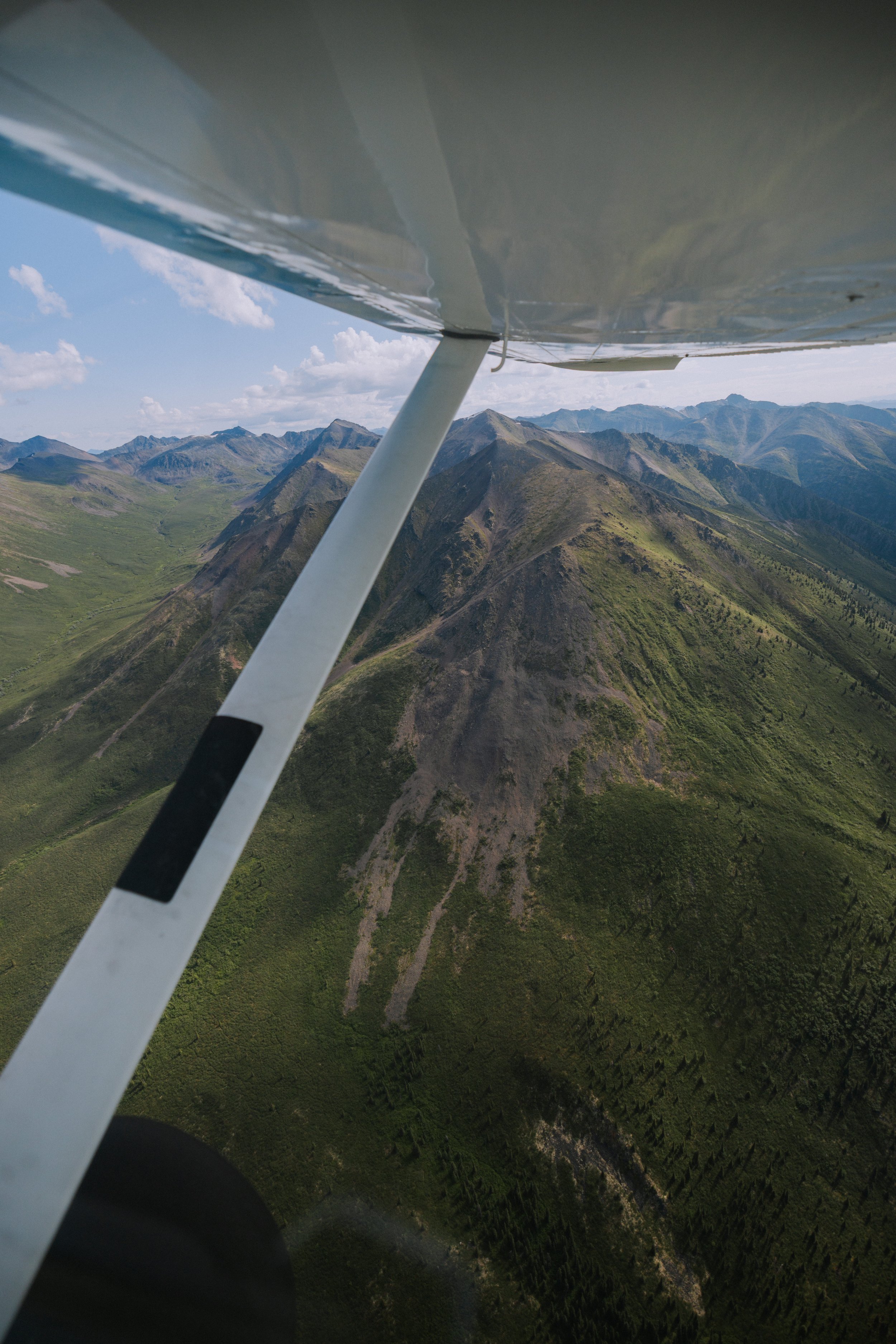
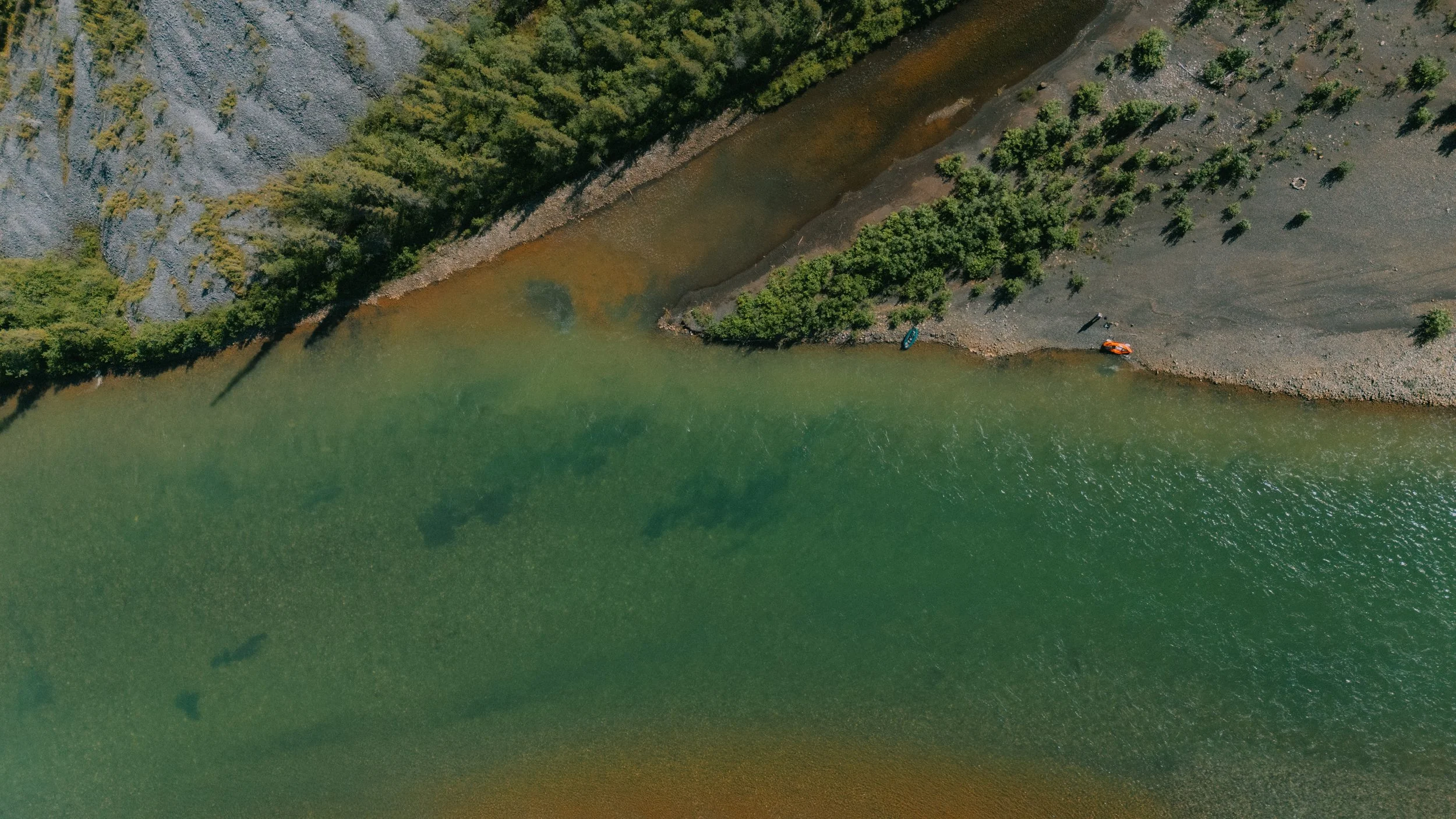
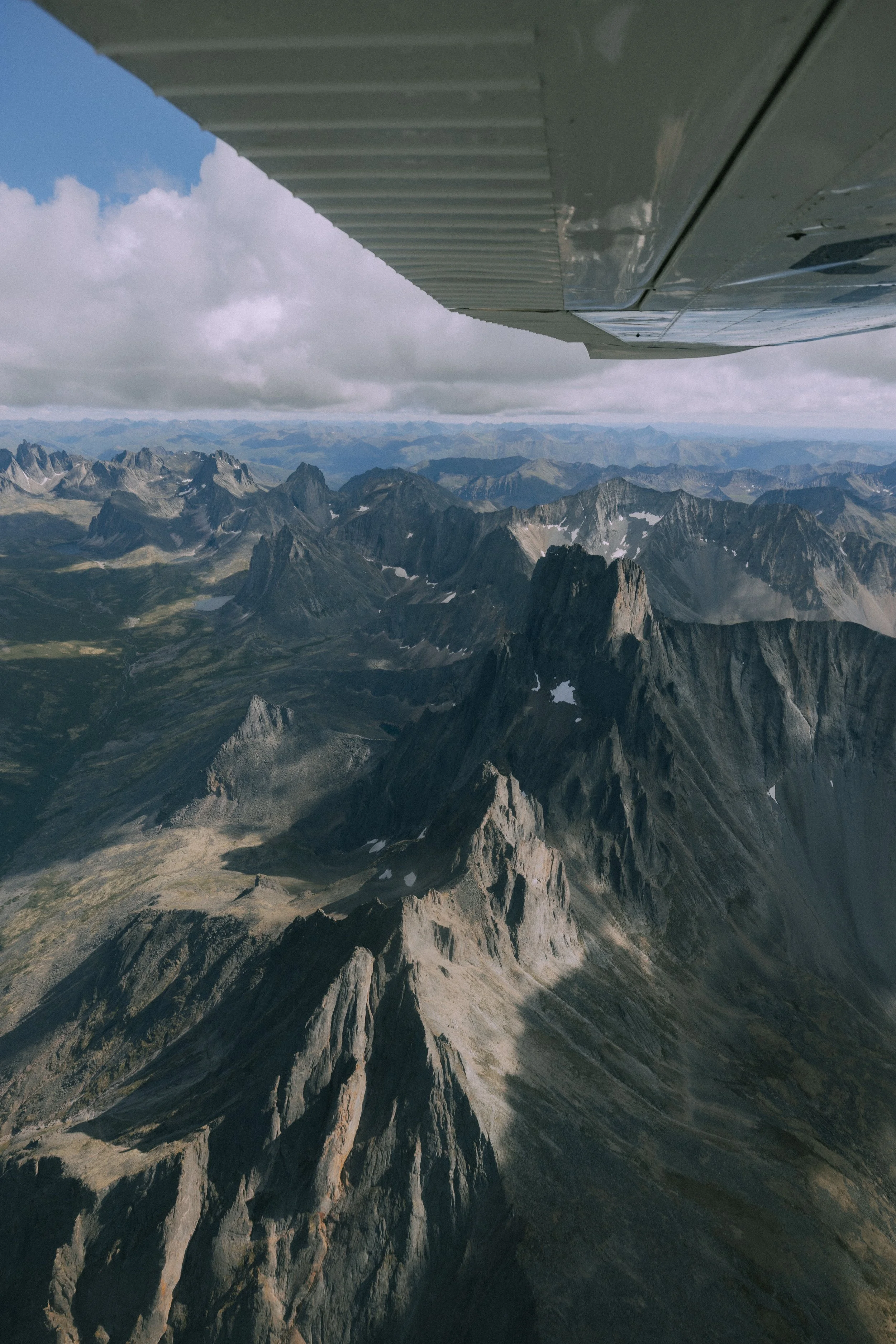
Prepare to lose touch with the rest of the world and embark on the experience of a lifetime. After breakfast, we’ll meet our pilots and board bush planes that will transport us deep into the Yukon wilderness. After a 40-minute flight, we’ll touch down on the banks of the Hart River, our home for the next five days.
We’ll be greeted by endless forest, unnamed mountains, and jewel-colored water. After unloading the plane and saying goodbye to our pilots, we’ll load our packrafts and begin our downstream journey. Today’s paddle will be a short, calm stretch of river, giving us plenty of time to cover paddling basics and river safety.
We’ll end the day camped along the riverbank, enjoying a hot meal and the excitement of the journey ahead.
Note - there is always a possibly that our flight could get delayed due to weather. Our operators only fly in safe conditions.
-
Prepare for absolute awe as we enter one of the most dramatic sections of the Hart River, where towering mountain walls plunge straight into the river below. Today we’ll paddle for approximately 3–4 hours, continuing to build and refine our paddling skills. The river’s gentle current creates an ideal environment for gaining confidence on the water.
Depending on water levels, we’ll camp along a rocky beach at the base of what we call “The Big Bend,” complete with a cozy bonfire. There will be an optional side hike up a nearby mountain, offering a fresh perspective of the river below. Due to the remoteness of this area, established trails don’t exist. Navigation is straightforward in the open forest, though the terrain can be challenging if this type of travel is new to you.
-
Wake up to the quiet sounds of the river and birdsong. Today we’ll paddle for approximately 4–6 hours as the landscape begins to shift and the river carries us into our first wide valley. Until now, we’ve been tightly surrounded by steep mountains and canyon walls, but today the terrain opens up, revealing sweeping valley views in every direction.
It’s always remarkable how mellow the mountains appear from a distance, you’d never guess how many jagged peaks are tucked away here. There’s a strong chance of spotting wildlife such as moose, Dall sheep, bears, eagles, or even wolves. As the river narrows once again and steep cliffs return, we’ll set up camp along the riverbank. This is a perfect opportunity to relax, explore, and fully settle into the rhythm of life on the river. By this point in the trip, the midnight sun often causes time to fade away, replaced by a sense of presence that feels far removed from everyday life.
-
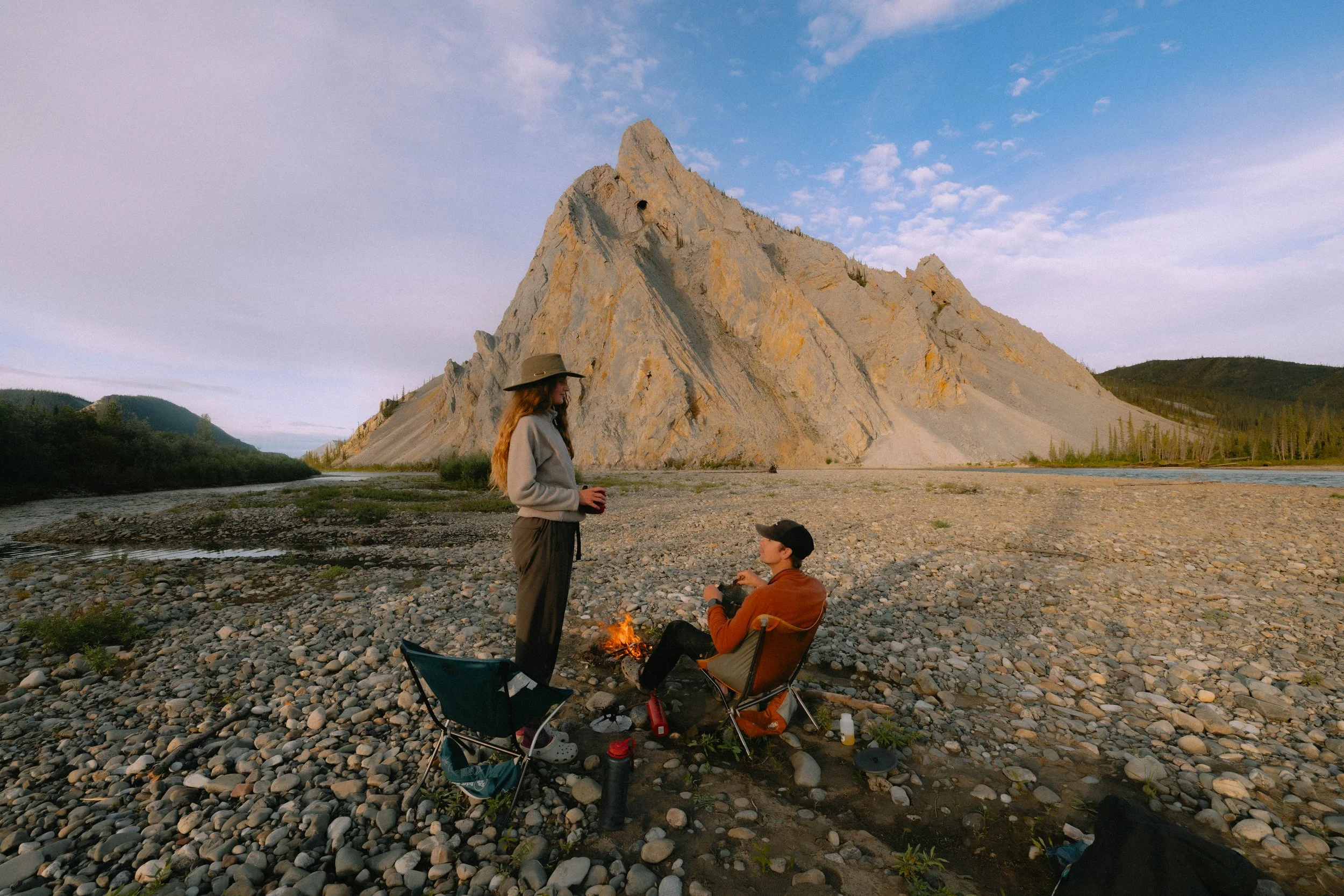
Today we will be paddle for 4-6 hours on the river. We will be passing through a section of the river where will have strong change of encounter Dall Sheep due to minerals in the area. We will be passing by more unqiuely steep and jagged peaks coming right down the river walls. Water levels provided we will camp on a gravel bar in the middle of the river watch the alpenglow it what we call “Pyrmid Peak” as you enjoy a meal our the fire, at this point we are pretty certain you will have made new friends for life.
-
Today marks our final day on the river, with a 5–7 hour paddle. By now, you’ll be feeling strong and confident on the water. We’ll encounter a few mellow sets of rapids with mostly friendly wave trains, which are often a highlight at this stage of the journey.
We’ll pass through black spruce and alpine larch forests, unique to this region due to the underlying permafrost. The river saves the best for last, carrying us past one final stretch of towering mountains. We’ll camp along the river near our take-out point near the confluence of the Peel River, where the plane will pick us up the following day.
-
Today we’ll be picked up by bush plane, landing on tundra tires directly on a gravel bar for our return to civilization. The roughly hour long flight offers a final, scenic perspective of just how far we’ve traveled and the vast landscapes we’ve experienced in a way few ever will.
We’ll return to Dawson City and check into the Downtown Hotel, where a hot shower and modern comforts will feel especially well-earned. We’ll gather for a nourishing group dinner before you’re free to explore town, try the iconic Sourtoe Cocktail, step back in time at Diamond Tooth Gertie’s, and relive unforgettable memories in the historic Klondike saloons.
Hotels will have shared rooms.
-
Wake up with the comforts of a hotel room and enjoy a hearty breakfast before packing up for our journey back to Whitehorse. It’s about a six-hour drive, and by the time we arrive, you’ll likely feel transformed, shaped by your experiences in the Yukon wilderness and the bonds you’ve formed with your fellow river travelers. Once in Whitehorse, we’ll drop you off at your respective accommodations. Tonight, there will be an optional group dinner for anyone who wants to celebrate the adventure together.
For travelers pressed for time, it’s also possible to book a direct flight from Dawson City back to Whitehorse at your own expense.
What’s Included?
Guide Services
2 x Bush Plane Flights (aprox. 40 min -1hr each)
Fees and Permits
Transportation from Whitehorse and Dawson City
Accommodations in Dawson City
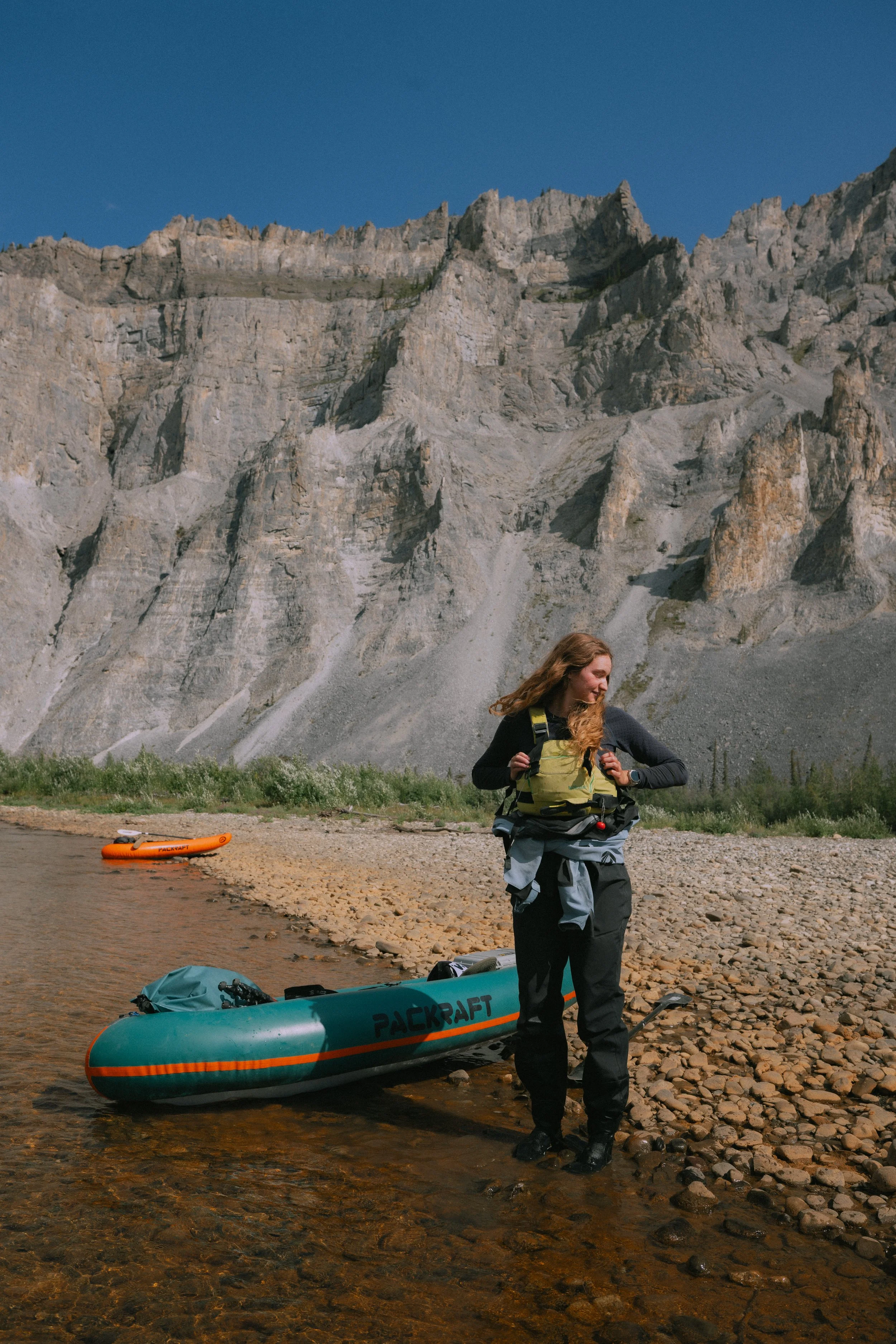
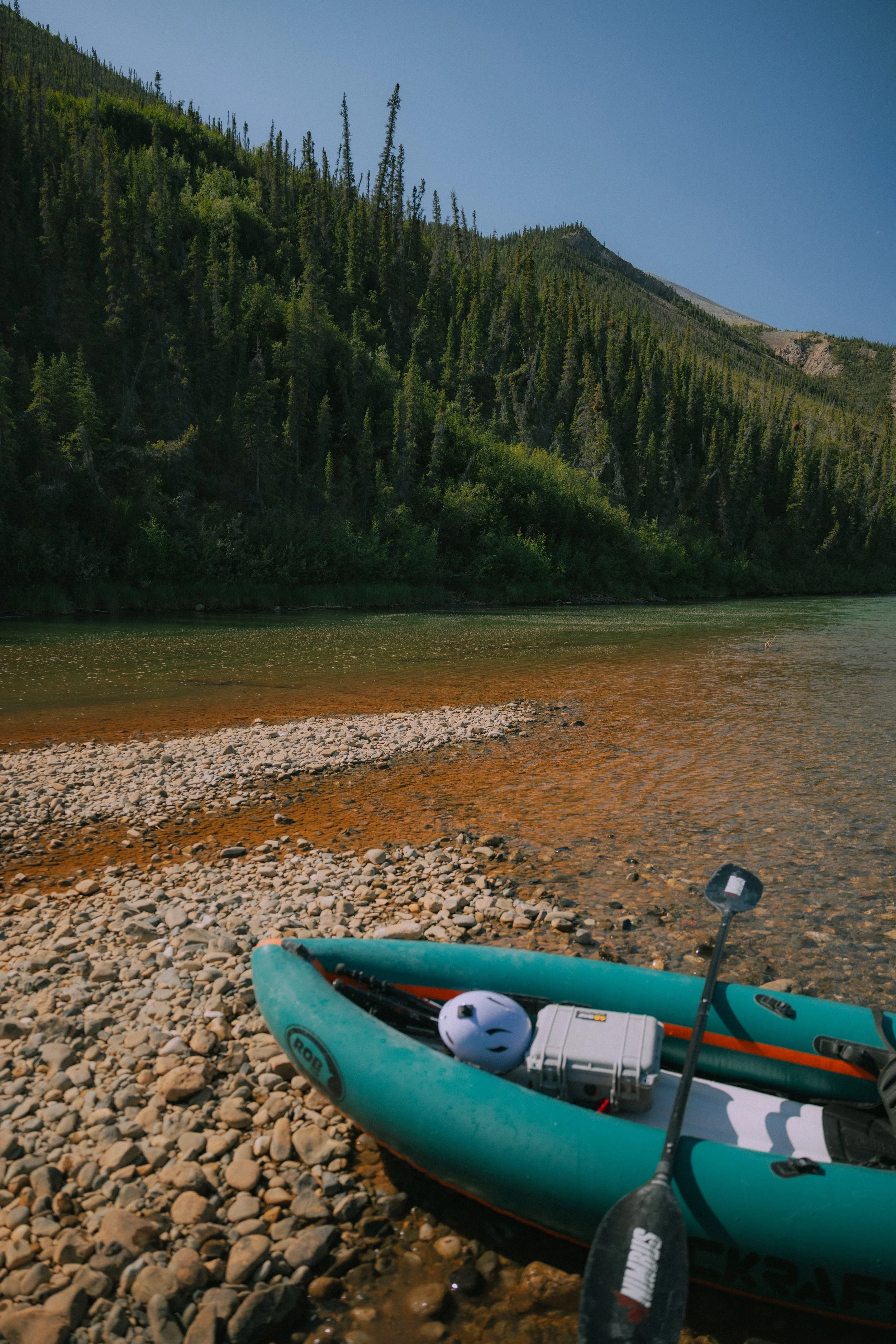
Packraft, drysuit, river booties, paddle, lifejacket & helmet
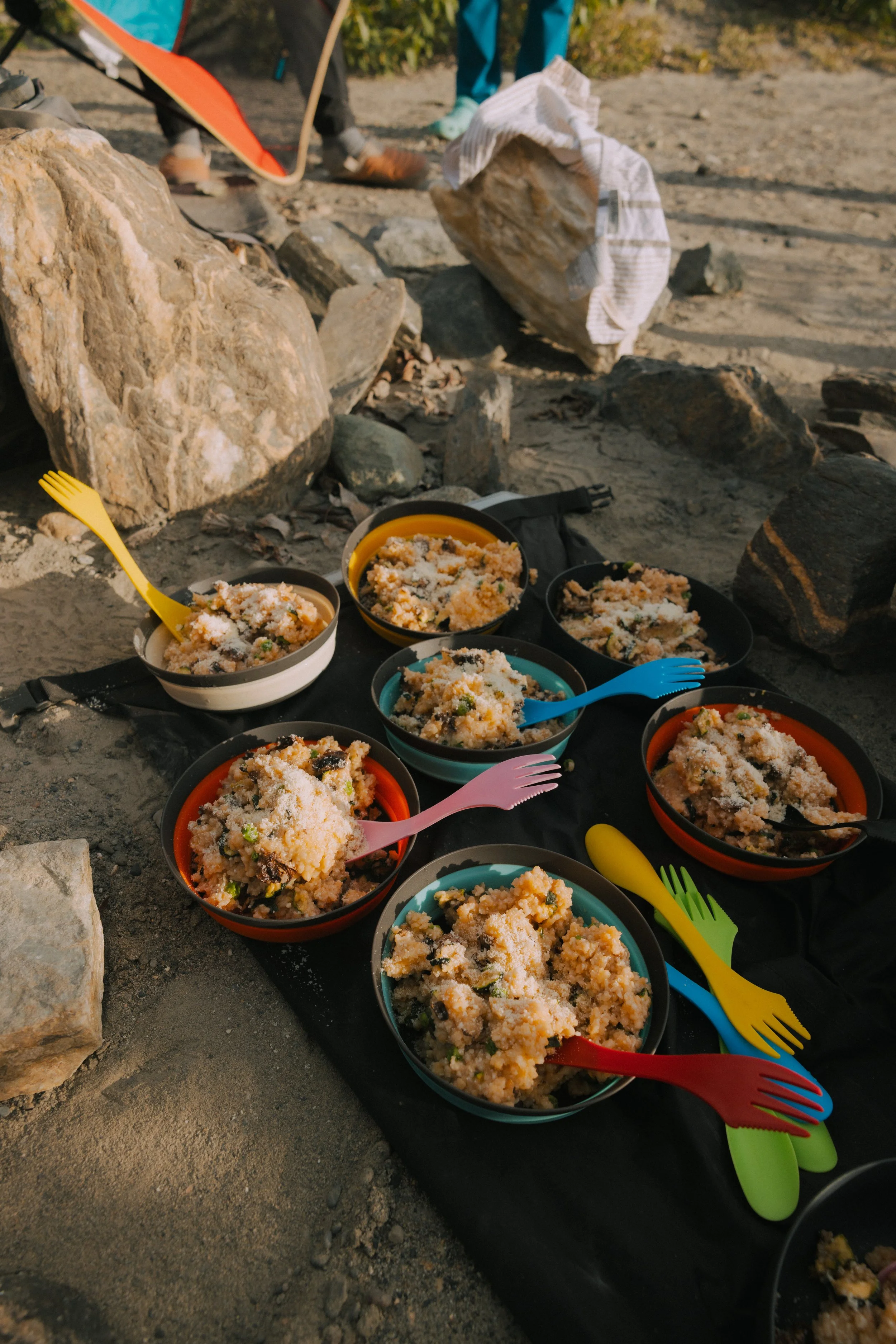
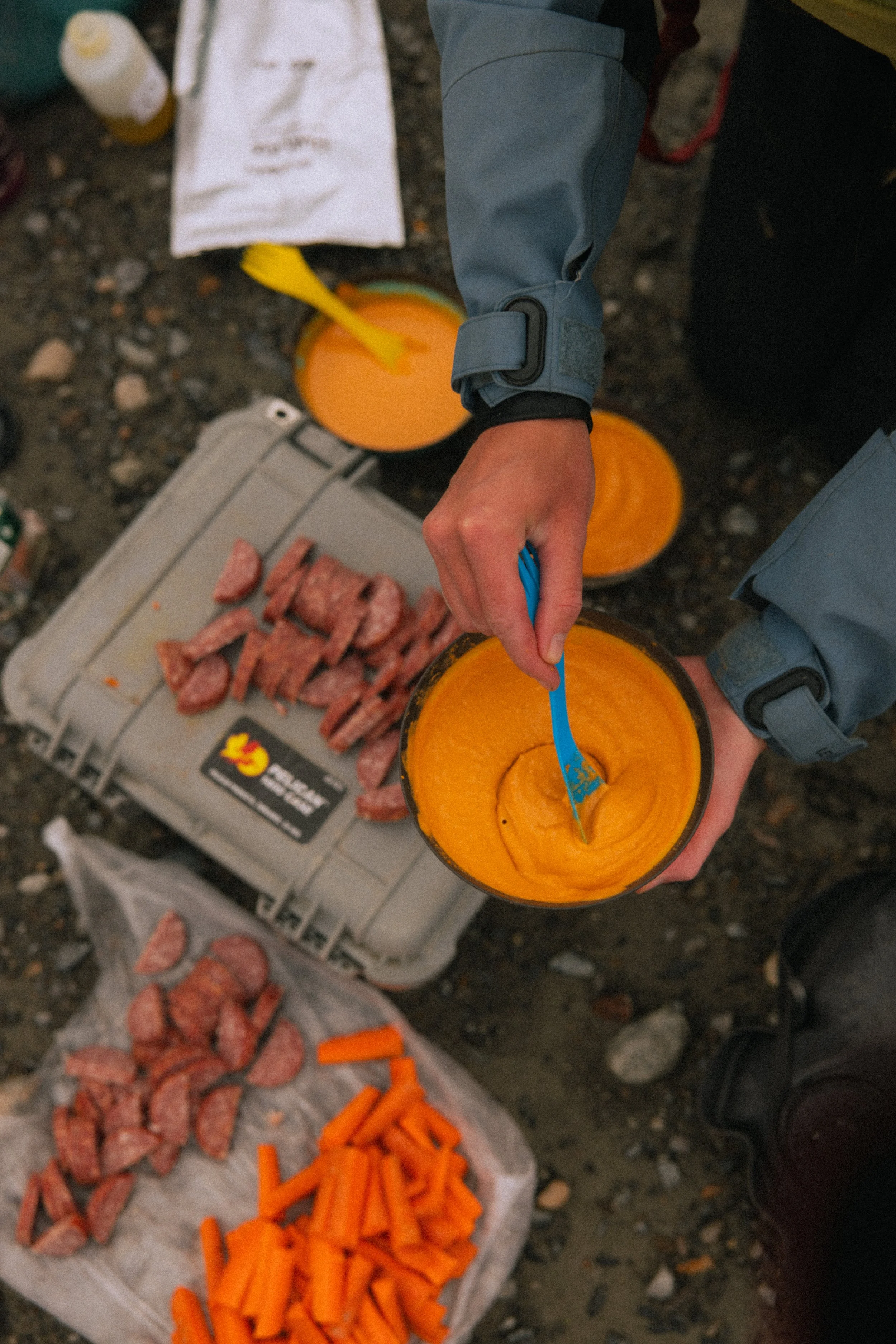
All meals from Day 1 onwards. We will be eating gourmet dehydrated meals while on the river
Water filtration
Camp dishware and utensils
Luggage storage during the expedition
Bear spray & Bear bags
Extensive First Aid Kit
Satellite Communication devices
What’s Not-Included?
Airfare to and from the Whitehorse, Yukon
Trip cancellation insurance or any other personal travel insurance
Alcohol at meals (in restaurants only, must be 19+)
Day 0 and Day 8 accommodations in Whitehorse
Meals on day 0 and dinner on day 8
Personal gear (see packing list)
Experience the land of the midnight sun.
Meet your guides.

-
Co-Host
Hey I’m Dani 👋 I’m a born and raised Yukoner whose developed a passion for experiencing our wild and remote landscapes through hiking, paddling, skiing and camping. It always brings me a deeper connection to nature and a source of inspiration. I’m stoked to share my home, get covered in dirt and make memories together

-
Co-HostHey, I’m Jake. A certified and experienced whitewater guide. I received my training through the Canadian Outdoor Leadership Training (COLT) Program and have 6 years of experience guiding multi-day expeditions on the Tatshenshini-Alsek Rivers. I was born and raised in the Yukon, and have a passion for adventure. Committed to safety and environmental stewardship, I’m excited to share my love of the Yukon with you!
How to get to the Yukon?

Map Credit to Tourism Yukon
While the Yukon is remote it’s actually very accessible to get to. The easiest and quickest method is by flying.
📍 Fly into Erik Neilson International Airport - Whitehorse, Yukon.
From Canada
Direct flights are available from major airports such as Vancouver, Calgary, Edmonton and Toronto.From USA
There are no direct flights however you can easily get a connection through Vancouver or Calgary and connect there to WhitehorseFrom Europe & Overseas
Direct flights are available from Frankfurt on Condor. Otherwise, we recommend flying through Vancouver and connecting to Whitehorse.
Get connecting fairs to Whitehorse for $99 CAD via Air North - learn more here
(It won’t show up in flight search engines but AirNorth is the most affordable airline to the Yukon)
Personal Packing List
-
Rain jacket
light down mid layer
fleece top
base layer top
wool socks x 2
beanie, sun hat
hiking pants (mosquitos will bite through leggings)
camp shoes (we like crocs)
shoes for an easy hike (trail runners or light hikers are ideal, do not bring heavy hiking boots)
Rain pants
If you are a cold sleeper we recommend sleeping in a base layer top and bottoms with wool socks.
Packing tip - your camp clothes will be stored inside the TiZip of your packraft. To keep things organized and clean we strongly recommend packing cubes, dry bags or stuff sacks to contain your personal items.
-
This is what you will wear layered underneath the drysuit:
Base layer top and bottoms (we prefer merino wool)
warm wool socks x 2 (just in case one gets wet)
fleece mid layer top
fleece mid layer pants
Buff to cover your face to protect if you from the elements if it’s windy
Sunglasses with straps (so you don’t loose it in the water)
These should all be in addition to your camp clothes. Drysuits can leak so these are all layers that will keep you warm if wet
DO NOT WEAR COTTON
-
Packrafting requires lightweight and compact gear so pack as you would for a backpacking trip.
3lbs-5lbs backpacking tent (1p or 2p) - the MSR Hubba Hubba is our go to. Needs to be strong in high winds.
0C / 32F Sleeping bag - Down is our preference.
Water proof compression sack for sleeping bag
3 Season Sleeping pad (for backpacking)
Pillow (for backpacking)
-
Camp Chair or Seat
Lightweight & compact camp chair (must be under 2 lbs) - We reccommend the UL Skyline by Big Agnes
Alternatively you could bring a Z-Seat
Eye mask for sleeping
Headlamp
Swim suit
Multitool
Small Binoculars
Bug jacket or head net
Waterproof gloves or pogies
Small Notebook & Pen
Camera
-
River Safe Sunscreen (anything that would be reef safe)
Lip Balm with SPF
Moisturizers & lip balm (scent free) - some find the climate and exposure drying on their skin
River safe soap for washing your face or body. The river is very silty so you may prefer using face wipes instead.
Personal Medications
Toiletties
-
For items you would like accessible while we are paddling you will want a small dry bag.
For photographers you will want something more robust such as a watershed dry bag
You will be responsible for keeping your phones, camera and other electronics safe and dry!
-
1L (min) water bottle - the Nalgene is a classic
We will be providing filtered water for the group throughout the trip.
-
All non-Canadian residents will be required to have proof of Travel Insurance. Make sure kayaking or whitewater is included in the plan - check out World Nomads
Health Card and Insurance
Prepare for the experience of a lifetime.
Reconnect with nature, explore and make unforgettable memories.
Things to know.
Bears, bugs & wildlife?
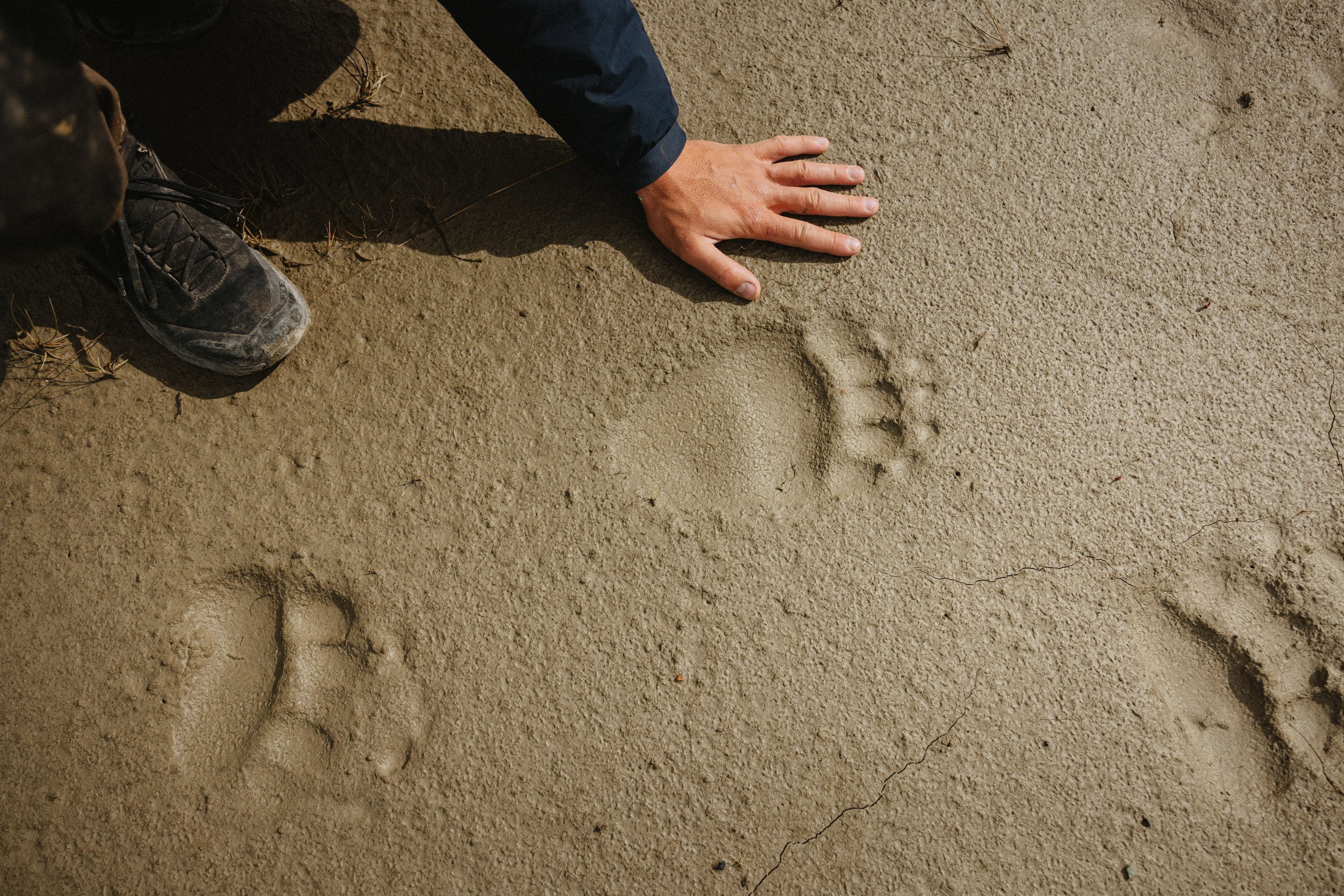
We are grateful to share our landscape with an abundance of wildlife such as moose, bears, wolves, eagles and more. Thankfully there’s a lot of space to roam for all of us. Encounters are always a possibility but generally, the animal is more scared than you are and they run away quickly.
Bear awareness is very important for our safety and the protection of bears. All food is stored in certified bear-resistant bags away from our camp. We carry bear spray at all times. We have yet to have a bad bear encounter and when travelling in large groups it is unlikely they will be anywhere near us. We will go over what to do in potential scenarios.
Yes, we do have mosquitoes but every season is different and certain locations will be “worse” than others. If there’s wind (or if you’re on the river) they won’t be around. If they are out, we do recommend bug spray and covering up! They do not carry any harmful disease but they might make you slightly itchy. Some people choose to take an antihistamine if they are feeling bothered.
What is the weather like?
Yukon summers have a wide range of emotions! The weather is often changing quickly. You can be hot in a T-shirt one moment and then cold in a down puffy the next. That’s why we recommend you pack in layers and be prepared for anything. Temperatures can range from 10C to 30C. At night while the sun does stay up, temperatures can still drop! That’s why we recommend a 0C-rated sleeping bag so you can stay warm and cozy. This particular area can be quite windy due to the glaciers and large mountains. A buff and sunglasses are nice to protect your face from the elements.
Leave no trace?
To minimize our impact on this fragile ecosystem our trips are 100% leave no trace so we pack everything out… including your poop! But don’t worry, we have a system for that ;) Everyone will receive their very own “Sh*t kit” with all the necessities including toilet paper, WAG Bags and hand sanitizer along with a lovely demo by Jake (get stoked). This is important for preserving the area for generations to come. Leave no trace are principles we always follow when recreating outdoors and we hope you do too!
Forest fires and trip interruptions?
There’s always a small chance that forest fires and other environmental interruptions could occur. Thankfully we will be in close communication with our ground team should anything arise and they will help us safely extract if necessary.
Questions? Get in touch.
Please don’t hesitate to reach out. We are happy to help :)